




The correct track day tyres should suit your car, skills, and driving conditions rather than having the highest grip numbers on paper. You need to remember that a lot of heat will be generated due to the heavy braking and cornering that takes place in such conditions, which usually doesn’t happen in regular road conditions. Therefore, you should also know how the tyres you selected perform when exposed to high temperatures and whether you will be driving to the circuit.
Match the Tyre Type to Your Driving
If you happen to be one of those people who enjoy participating in track days every now and then, you may feel that having a performance road tyre on your car might be a good idea due to the superb combination of grip, wet-road behaviour, and streetability. If you’re planning on doing track days regularly, then it’s best to have semi-slicks.
When reviewing products, such as Kumho motorsport tyres for track and competition use, distinguish between treaded track tyres, dedicated racing slicks and wet-weather designs. Their intended applications differ considerably. Check the exact model’s road-use approval and your event organiser’s tyre rules before deciding, particularly if you will drive home afterwards.
Choose a Compound for the Conditions
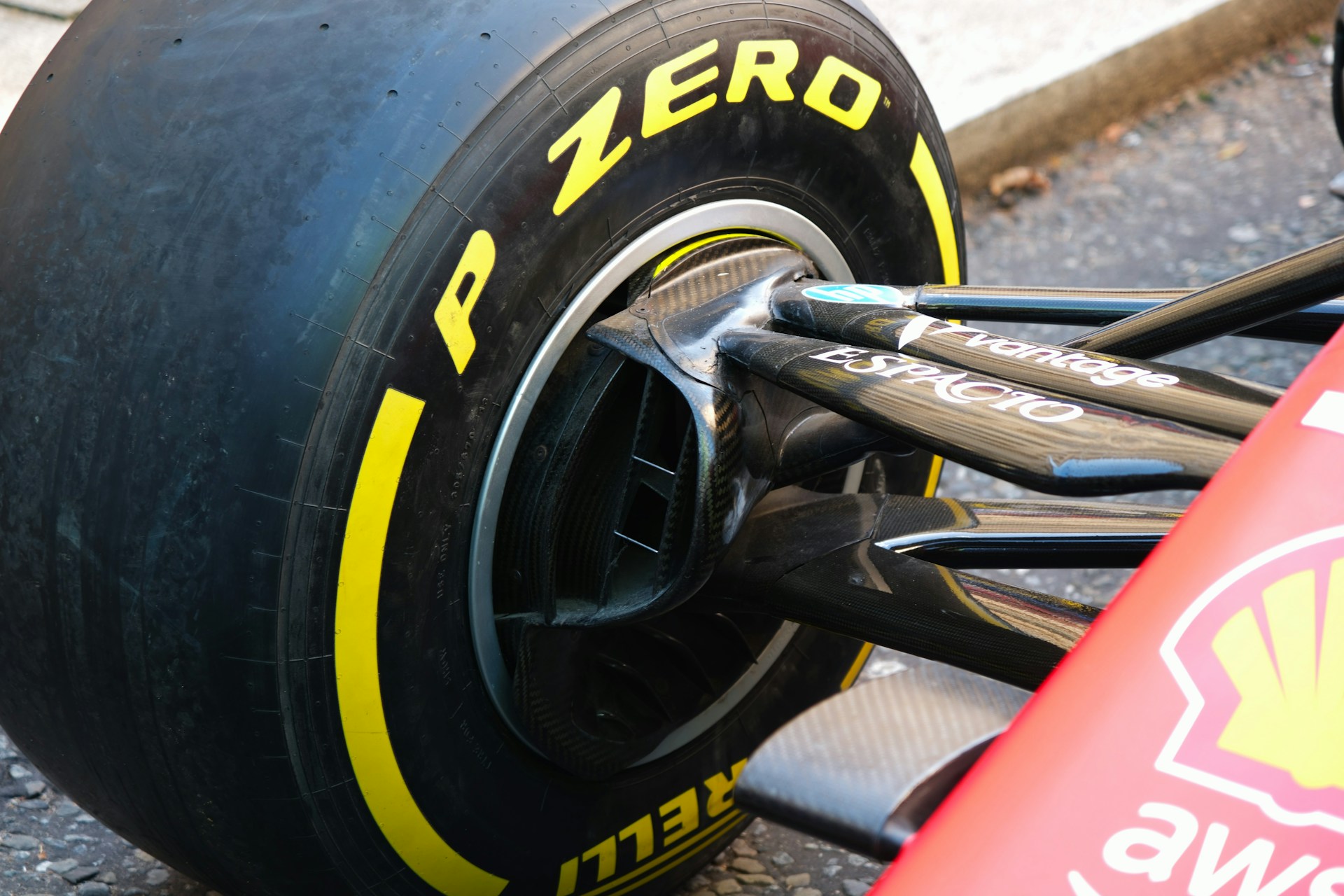
Much of the grip that is attainable at a certain temperature level depends on the tire compound. The softer the compound, the better the grip once the tire is warmed up; however, the tyres will be easily worn out and overheated. Harder options often favour durability when sustained running generates substantial heat.
Think about the time of year and the track surface too. Tyres will have to withstand considerable heat during an Australian summer track day, while colder or wet days will mean that a soft tyre compound is unsuitable. A tyre with grooves to move water is essential in the event of rain, as track tyres with shallow grooves do not perform in wet conditions.
Balance Peak Grip Against Wear
A tyre capable of one exceptionally quick lap may not be the best choice for repeated sessions. Look at how consistently it performs over several laps, rather than judging it solely on peak grip. A compound that overheats may feel less predictable as a session progresses.
Also consider how frequently you will have to replace tyres in addition to their cost. The rubber that makes up a tyre goes through cycles of heating and cooling, and this can affect the way it behaves. A weekend racer may prefer a durable performance tyre over an aggressive one.
Confirm Size and Vehicle Compatibility
Your tyre and wheel combination must be chosen based on the dimensions of the tyre and wheel that your car allows. This is due to the fact that the dimensions of the tyres, such as width, profile, and diameter, affect the performance of your car in terms of handling issues and stability. A wider tyre does not mean a better tyre since it might clash with your body panels and wheels.
Check the load index and speed rating against your vehicle’s requirements, and confirm the tyre’s specified rim-width range. Modified cars also need sufficient suspension and guard clearance throughout steering and suspension travel. Any change should comply with applicable road requirements if the vehicle remains road registered.
Manage Pressures and Inspect Tyres
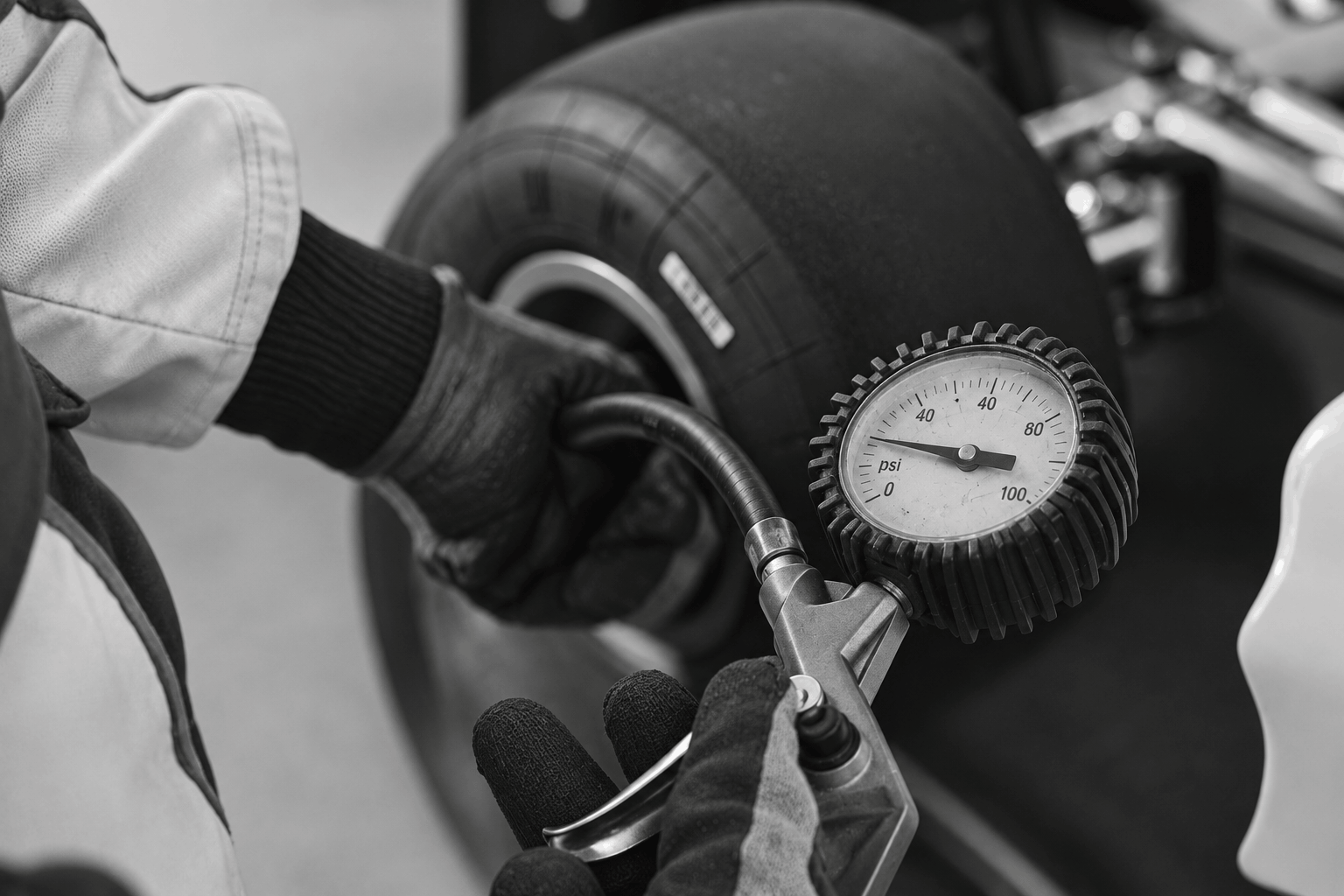
Setting the pressure correctly is imperative as the air temperature in the tyre increases. Start with the cold-pressure guidelines from either the vehicle or tyre maker, measure the pressures after driving, and then adjust pressures using the appropriate guidelines. Don’t set your tyre pressures like someone else just because he has it right.
Before each use, look for irregular tread wear and damage on the shoulder, sidewall, and tread face. Shoulder wear may suggest rechecking camber and/or alignment rather than simply adding or reducing inflation pressure. Re-check tyre condition before driving home and reinflate to recommended pressures once tyres have cooled.
Choose Tyres That Work Throughout the Day
Putting it all together your perfect track-day tyre speed is not the only factor. Focus more on the type of tyre that is suited to you, proper size, temperature ratings, and reasonable tyre wear. You will be better prepared to maintain consistency throughout the day while remaining safe at the same time.
