




What Is the Difference Between Rekeying and Replacing a Lock?
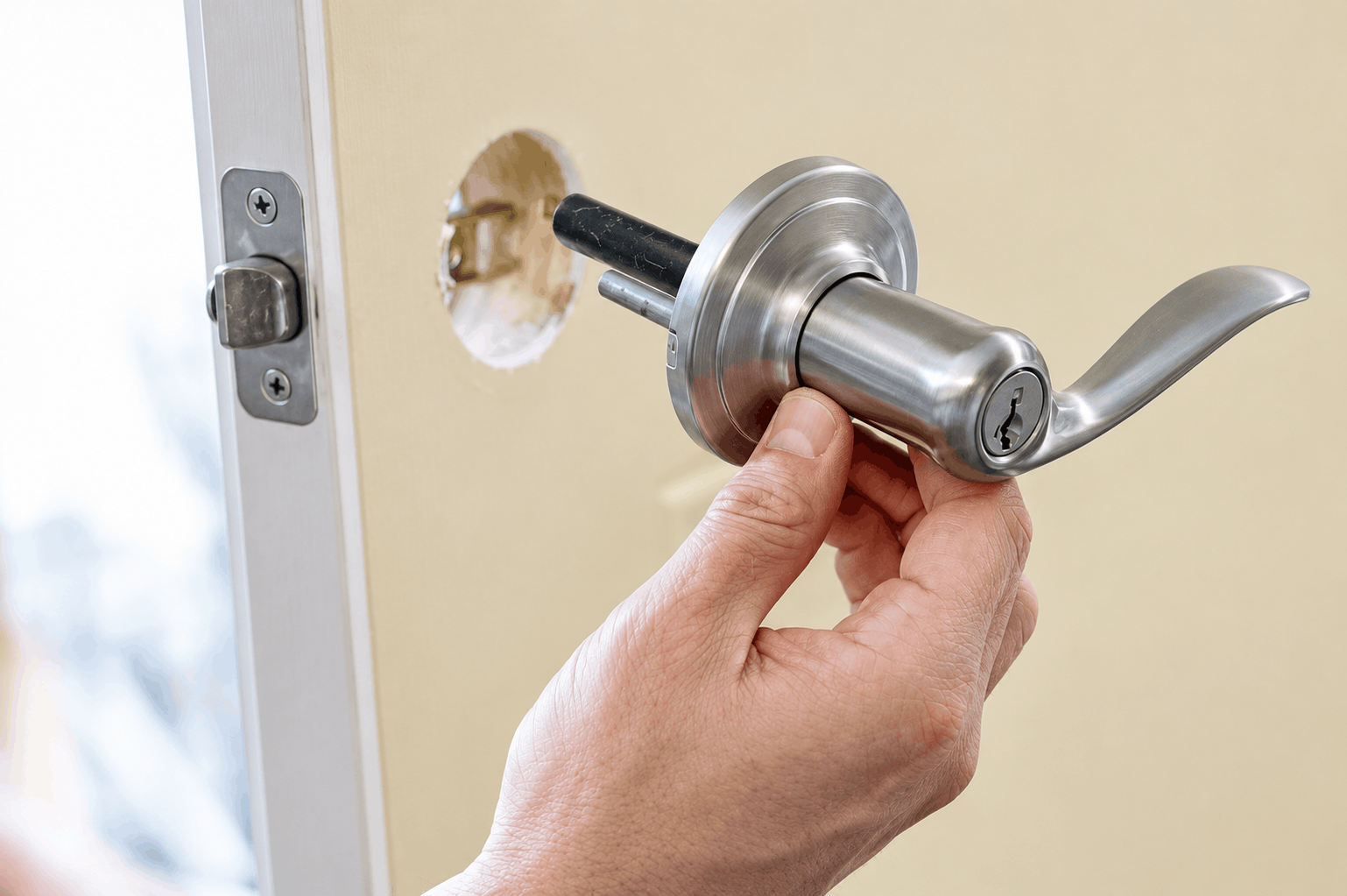
Rekeying a lock means changing the internal pins or tumblers inside a compatible lock cylinder so that your existing keys stop working and you have a new set of keys that work instead. The outside hardware (the knob, lever, or deadbolt) can usually stay in place. Replacing a lock means installing new lock hardware, although in some cases only the cylinder needs changing.
How Does Lock Rekeying Work?
Inside many common keyed locks is a lock cylinder with pins designed to operate with a particular key. To rekey a lock, your locksmith will typically remove the cylinder and change the pins to suit a new key, then reassemble and test the lock. Not every type of lock can be rekeyed, particularly if the mechanism is damaged or unsuitable.
When Should You Consider Rekeying or Replacing Your Locks?
You’ve Recently Moved into a New Sydney Home
If you’ve purchased or moved into a home in Sydney that had previous tenants, or even a new build where the keys have been with an agent for a while, it’s worth considering rekeying so that any unknown copies of the old keys will no longer open your doors.
Across Sydney’s Northern Beaches and North Shore, homes can have anything from traditional mechanical locks to newer keyless entry systems. A locksmith servicing the Northern Beaches and North Shore can advise whether your existing locks can be rekeyed or need replacing.
You’ve Lost Your Keys or Had Them Stolen
If you’ve lost your keys or had a bag containing them stolen, consider whether someone could identify your address or use the keys to enter your home. If there’s a risk of unauthorised access, arrange for a locksmith to assess whether the affected locks should be rekeyed or replaced.
A Tenant or Housemate Has Moved Out
When a tenant or housemate moves out, it’s worth reviewing who still holds keys and whether any spare copies are unaccounted for. Rekeying may be appropriate, but it isn’t automatically required after every tenancy.
For rental properties in Sydney, landlords and tenants generally need the other party’s consent to change locks during a tenancy, unless there are recognised grounds to do so. NSW Fair Trading’s guidance on keys and locks explains the rules, including when locks can be changed without consent.
Your Existing Locks Are Old, Damaged or Difficult to Use
If you’re having to jiggle keys around, or try multiple times to unlock your door, it’s worth calling in a locksmith to service or change out the locks on your older lock mechanism. Some older locks may need replacing altogether, but a sticking or misaligned lock might only need lock repairs, rather than a full replacement.
Your Home Has Experienced a Break-In
Break-ins can really shake the feeling of security you have inside your home, so checking and replacing damaged locks can help restore security. If keys were stolen during the break-in, rekeying may also be needed to prevent those keys from being used.
If you’re making an insurance claim, check your policy for any security or repair requirements rather than assuming a particular lock replacement is mandatory.
Short-Term Accommodation
For owners of short-term holiday accommodation in Sydney’s coastal suburbs, such as Manly and Avalon Beach, managing access between guest bookings can be an ongoing task. Replacing locks or issuing new physical keys after every stay isn’t always practical.
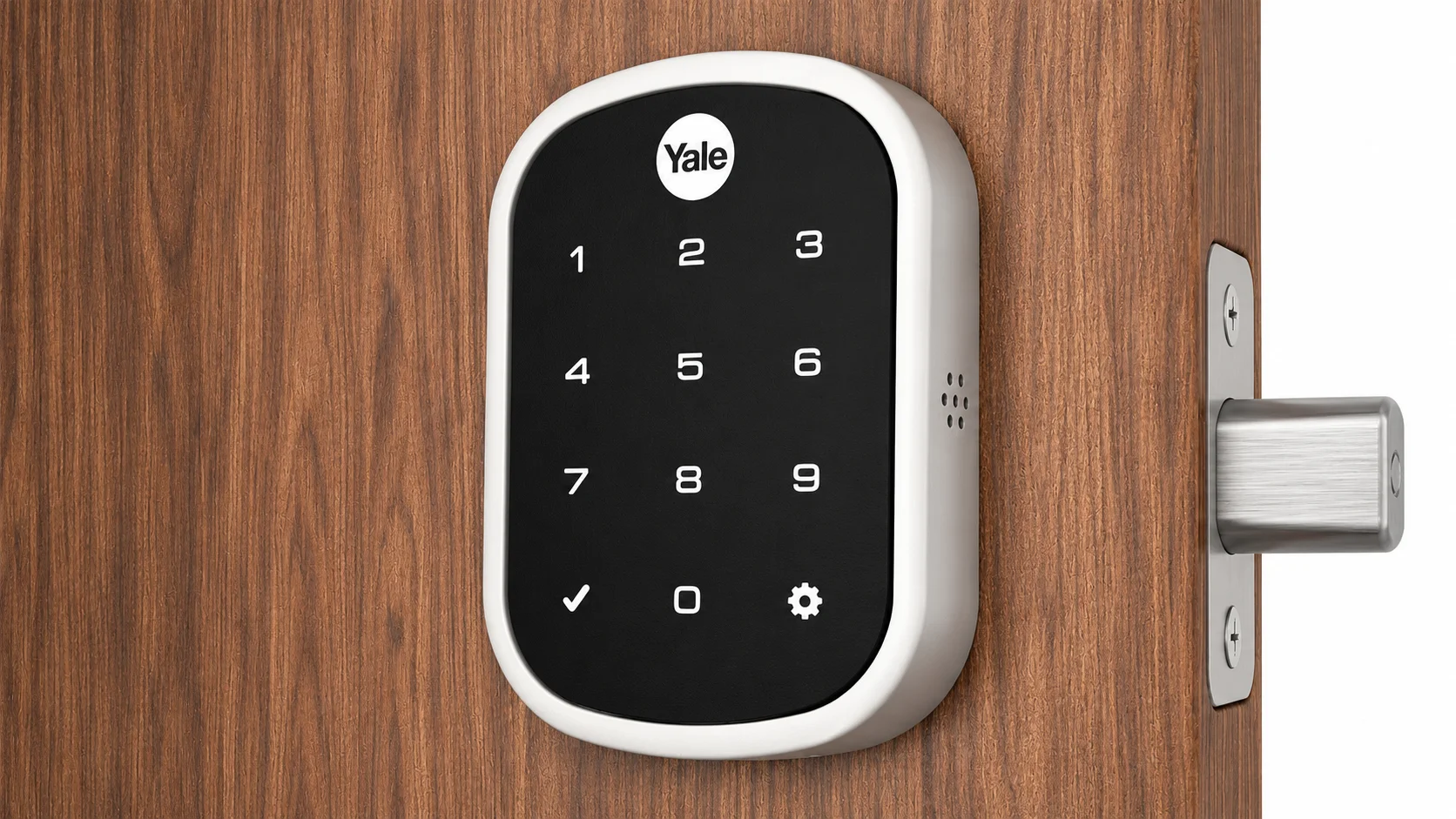
It’s worth considering electronic keypad locking systems that allow guest access codes to be changed between bookings. Depending on the system, owners may also be able to retain a separate access method for themselves or property managers.
So, Should You Rekey or Replace Your Locks?
If your existing locks are in good condition and can be rekeyed, changing the keys may be enough. If the hardware is damaged, outdated or no longer meets your security needs, replacement may be the better option. A locksmith can inspect the locks and recommend what makes sense for your property.
