




Why It’s Important to Recognise Dental Problems Early
Early detection is important for dental problems because some conditions can become more difficult to treat the longer they’re left unaddressed. What may need a simple treatment initially can sometimes require more extensive care later. This goes for dental issues in childhood as well as paying attention to your oral health as you age.
5 Common Signs You Shouldn’t Ignore
Tooth Sensitivity to Hot and Cold
Tooth sensitivity to hot or cold can occur when enamel is worn down or gums recede, exposing the more sensitive dentine underneath. It can also be associated with tooth decay, tiny cracks or other dental problems. Depending on the cause, treatment might involve desensitising toothpaste, a filling or further dental care. If the sensitivity is new, persistent or worsening, it’s worth having your dentist check it rather than assuming it will settle on its own.

Bleeding, Swollen or Tender Gums
Bleeding, swollen or tender gums can be warning signs of gingivitis, which is the earliest, often reversible stage of gum disease caused by bacterial plaque build-up. If left untreated, it may progress to periodontitis, which can affect the bone and tissues supporting your teeth. Bleeding gums may also have other causes, so persistent symptoms should be checked by a dentist.
Persistent Bad Breath
Persistent bad breath (chronic halitosis) can be a warning sign of an underlying oral or systemic health issue rather than just a temporary reaction to food. It can be associated with gum disease, tooth decay or infections, although dry mouth, tonsil stones and some medical conditions may also contribute. It’s important to identify the cause of persistent bad breath rather than masking it with mints or mouthwash.
Toothache or Discomfort When Chewing
Ignoring a toothache or discomfort when chewing isn’t a good idea. Underlying issues such as cavities, cracked teeth or dental infections may worsen without treatment. A dentist can identify the cause and advise whether a filling, repair or other treatment is needed.
Cracks, Chips or Changes to Your Teeth
A cracked or chipped tooth may need attention even if it doesn’t initially hurt. Depending on the damage, sharp edges, exposed tooth structure or changes in your bite can cause discomfort and other problems. Small chips may only need smoothing or a minor filling, while more extensive damage could require a crown, root canal treatment or another procedure. Having the tooth assessed early can help determine the appropriate treatment.
How Regular Dental Check-Ups Help Prevent Bigger Problems
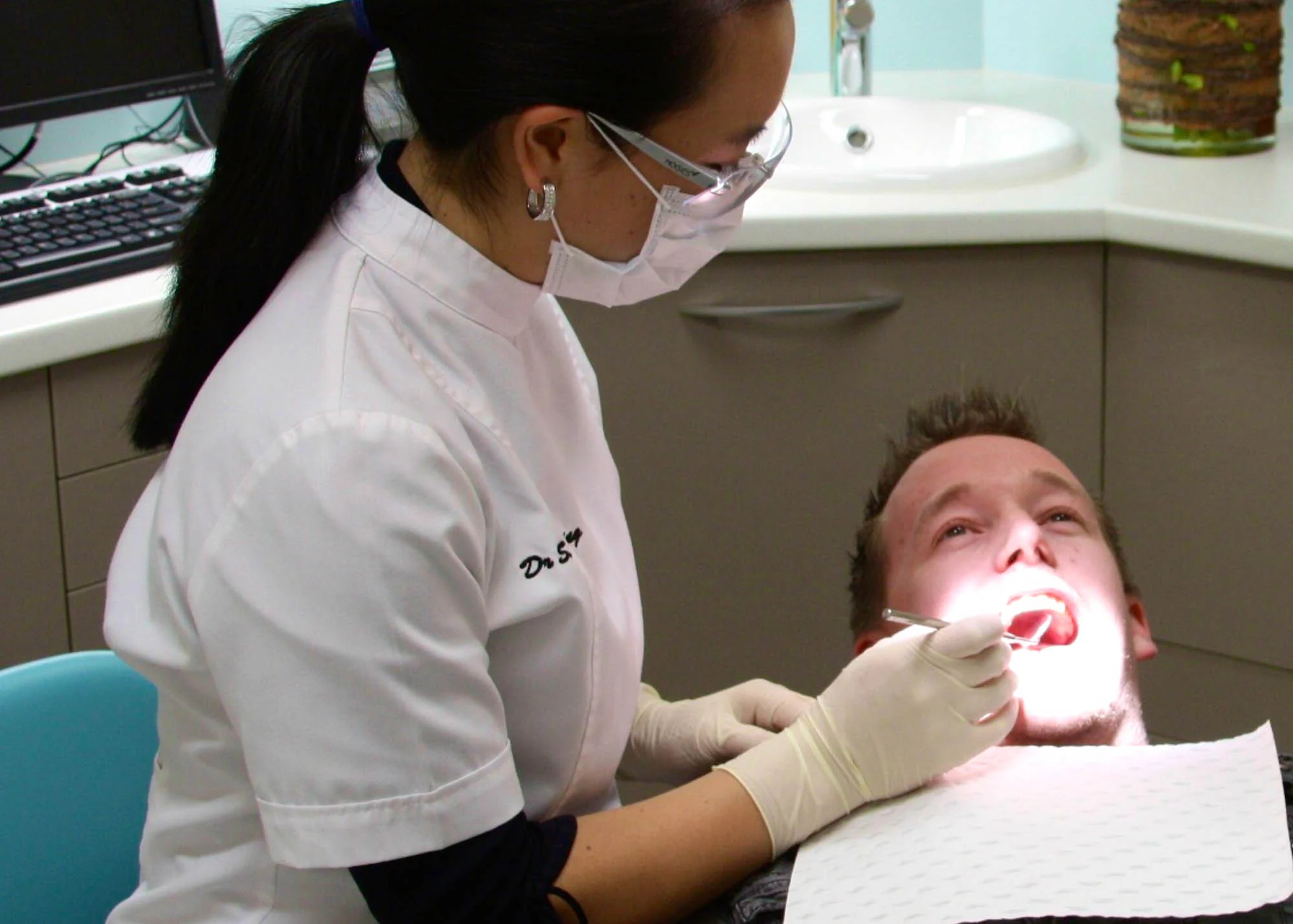
Regular dental check-ups and cleans can help identify tooth decay, gum problems and other changes before you notice symptoms. Healthdirect advises seeing a dental practitioner every six to 12 months, or as often as they recommend for your individual needs.
While life can sometimes get in the way of a good schedule, it’s important that regular check-ups don’t turn into years or decades between visits. Your dentist can spot signs of problems during an examination and recommend appropriate care, which may help prevent more extensive treatment later.
Why Finding a Local Dentist Matters
Finding a dentist close to home, work or school can make it easier to keep up with regular appointments. For families and individuals living around Dee Why, North Manly and Freshwater, a dentist in Brookvale may be a convenient option without needing to travel further across Sydney. Having a local dental practice you can visit regularly also makes it easier to build an ongoing relationship with your dental team.
Routine Check-Ups Versus Urgent Dental Visits
Once you’ve found your local dentist, make sure you’re booking regular check-ups at the interval your dental practitioner recommends to stay on top of your oral health.
If, however, you experience any signs of an issue, like bleeding gums, discomfort, or notice a crack or chip, arrange an appointment rather than waiting for your next routine check-up. Severe toothache, facial swelling or dental trauma may require urgent assessment. If swelling affects your ability to breathe or swallow, seek emergency medical care.
