




There are so many “smart” devices available today that are meant to make your home more convenient and comfortable, but a smart home isn’t necessarily an integrated one. If each individual system has its own interface, app or remote without integration or whole-home programming, you might start to feel that your home is becoming more complicated, rather than “smart”.
What Is the Difference Between a Smart Home and a Home Automation System?
There’s a crucial difference between having a home with an abundance of smart devices and having integrated automation and home programming.
Smart Devices
Smart devices are individual connected products that can be controlled digitally. For example, you may have remote-controlled blinds, a whole-home temperature control system, or even a smart fridge that helps you build grocery lists.
Home Automation Programming
Home automation programming brings compatible systems together so they can respond to commands, schedules, sensors or programmed scenes.
An example of this could be your morning routine. Instead of waking up and clicking five different apps or remotes to get your house going, home automation allows one “Good Morning” command to open the blinds, gradually turn on selected lights and adjust the temperature, for instance.
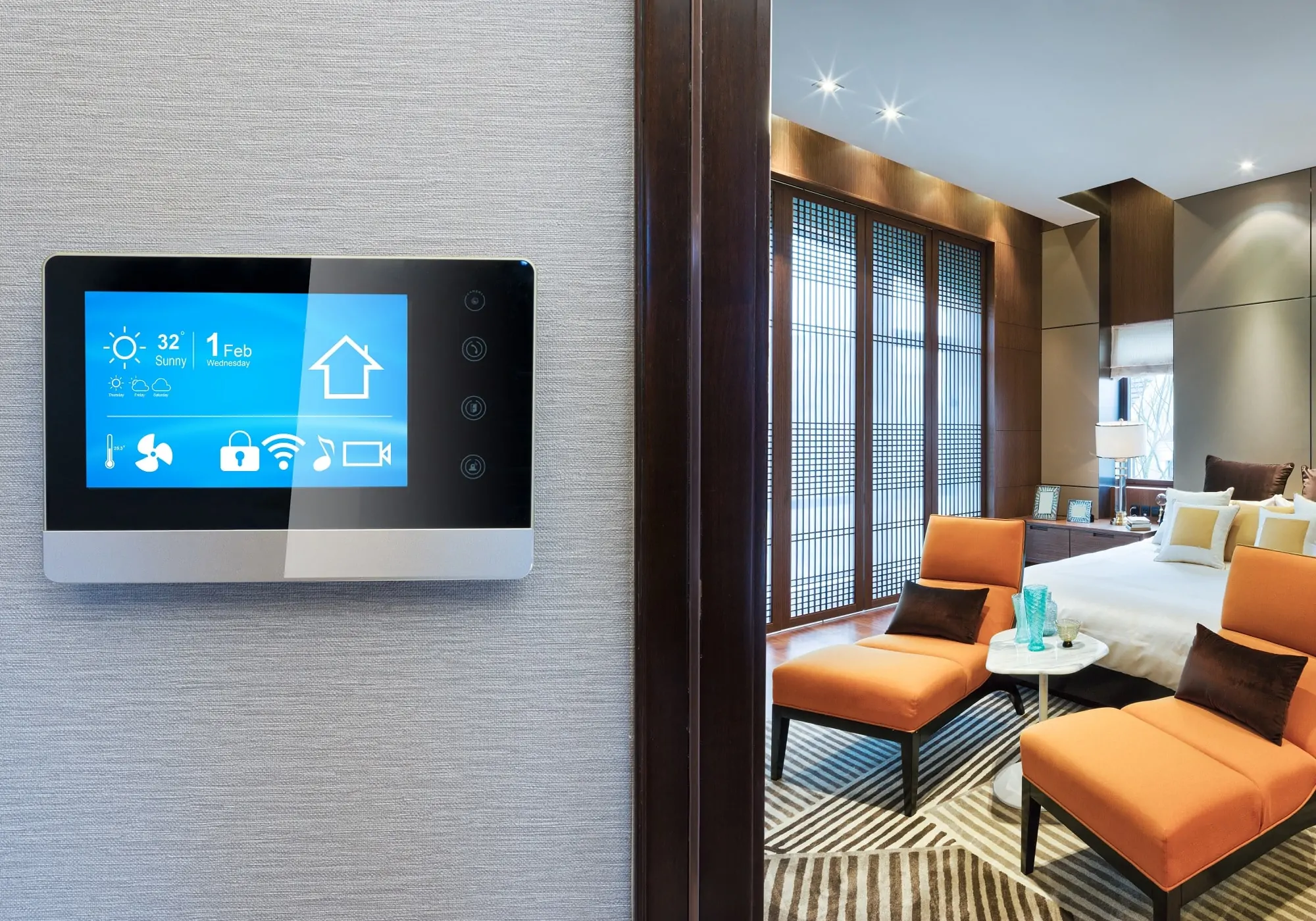
Why Do Different Smart Home Devices Struggle to Communicate?
Device compatibility isn’t just a question of whether devices connect over Wi-Fi. There can be many reasons that smart home devices don’t communicate well with each other:
- different manufacturers
- different communication protocols
- incompatible platforms
- separate apps
- older equipment
- poorly configured systems
- devices that technically connect but don’t offer useful automation
As a Sydney homeowner, it can be confusing to understand whether different devices can work within the same system. If you have several smart systems that aren’t communicating properly, a professional assessment can help identify what can be integrated, what needs reconfiguring and whether any equipment needs updating.
What Can You Actually Automate in a Sydney Home?
A well-programmed home can automate a range of everyday functions. What is possible will depend on the systems and hardware installed, but common examples include:
Lighting
Lighting is one of the most common systems to automate. A professionally programmed lighting control system can support:
- automatic lighting scenes
- dimming
- occupancy-based lighting
- schedules
Blinds and Curtains
Motorised blinds and curtains can be programmed to respond automatically to time, sunlight and privacy preferences throughout the day.
- opening according to time of day
- responding to sunlight
- privacy settings
Climate Control
Heating and cooling systems can be programmed around household routines, occupancy and preferred temperatures.
- heating and cooling
- temperature schedules
- occupancy-based adjustments
Entertainment
Entertainment systems can also be brought together so audio and visual equipment can be controlled more easily across different rooms.
- TV
- music
- home theatre
- whole-home audio
Security
Home security systems can be integrated so different devices respond together based on whether you’re home, away or following a set routine.
- cameras
- alarms
- locks
- intercoms
- sensors
Energy Management
Automation can also help manage how and when selected systems use energy by responding to schedules, occupancy and household activity.
- monitoring consumption
- controlling selected loads
- responding to occupancy
Building Home Automation Scenes
In home automation programming, a ‘scene’ is a collection of programmed actions that happen together in response to a command or trigger.
We’ve already touched on what a ‘Good Morning’ scene might look like, but another example could be a “Leaving Home” scene, which switches off lights and selected appliances, closes blinds and activates security systems.
You can customise scenes around everyday routines as well as more occasional activities, such as “Movie Night” or “Date Night”.
Why Does Home Automation Programming Matter?
Having smart devices that operate individually or are only partially integrated doesn’t take full advantage of the convenience a properly automated home can offer. The real value comes from deciding how those systems should respond to one another.
That matters for Sydney homes in particular. Many households here enjoy indoor-outdoor living, with alfresco areas and decks used for entertaining year-round. If you have lighting, climate, security, blinds or entertainment systems that need to work together, professional home automation programming in Sydney can help bring them into one integrated setup that responds to routines, sensors, schedules and user preferences.
Well-designed home automation programming defines what happens and when, which events act as triggers, which devices respond and what should happen when conditions change.
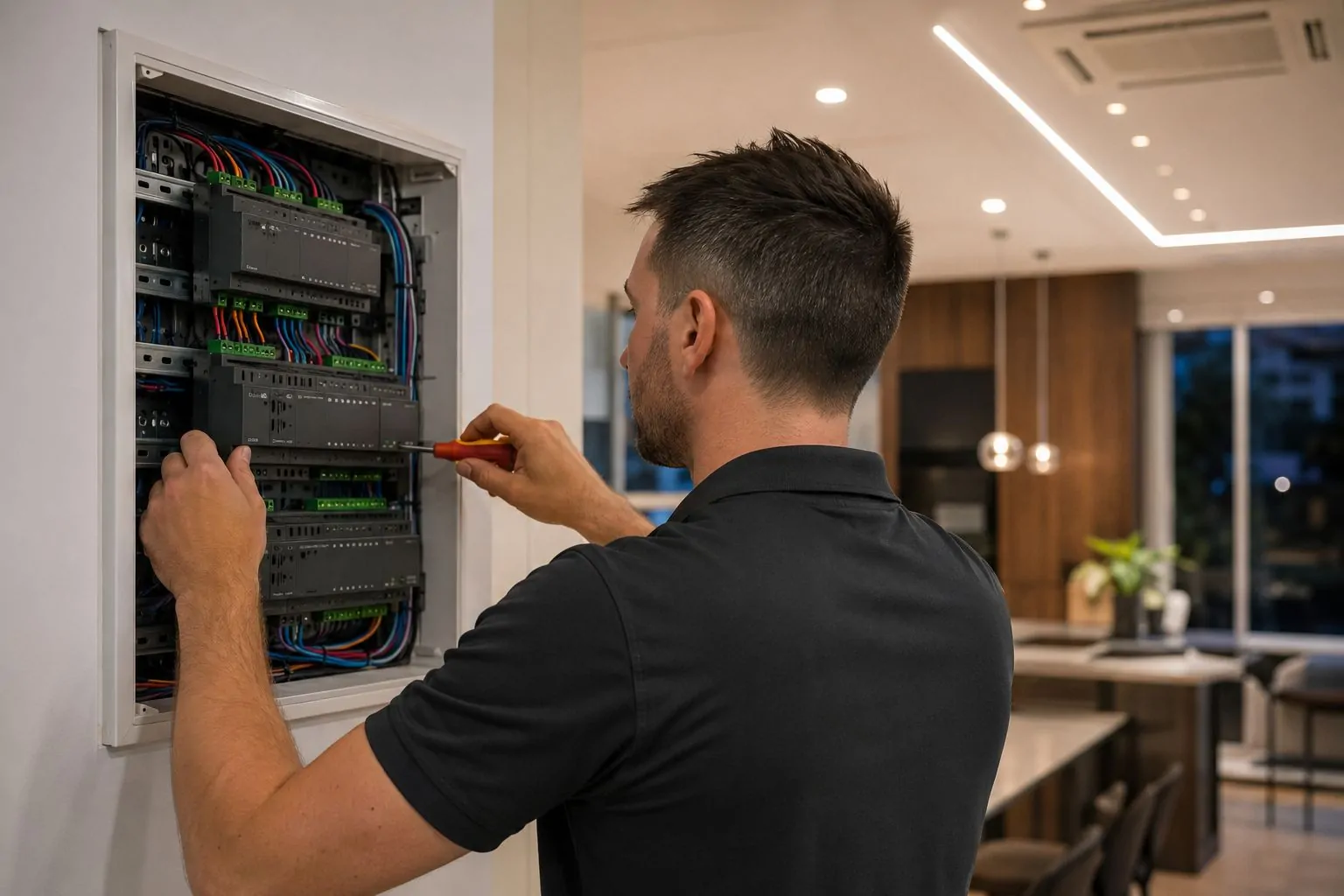
Can an Existing Home Be Automated Without Replacing Everything?
Many homes across Sydney already have some level of automation; maybe you have smart lighting, motorised blinds, security cameras or an air conditioning system.
You don’t necessarily need to start from scratch and replace all your existing devices if you want to automate your home. Some may need updating, others may integrate well, and some may need replacing. The best way to find out is to have your existing automation systems professionally assessed for compatibility, configuration and potential upgrades.
What Should You Consider Before Automating Your Home?
The first thing to think about isn’t the latest gadget or whether you simply like the technology; it’s your routines.
Do you find yourself spending 10 to 15 minutes every morning turning on the same appliances, lights and temperature settings? Could this time be better used? Would arriving home be easier if selected systems could already be set the way you prefer?
Think about the common, repetitive routines that take up your time. These are often the areas where automation can provide the most practical value.
When thinking about home automation, it’s also important to look at your home as a whole: which rooms matter most, how different devices can work together and what your future needs might be. Most importantly, your home automation should make life easier. You don’t want to have to get out a manual every time you need to turn something on.
When Is Professional Home Automation Programming Worth It?
Professional programming can be particularly useful when you have several home systems that you want to integrate, or rooms that you have automated quite well individually but that don’t work together. Building more complicated ‘scenes’ can sometimes be better left to a professional as well.
If you’re renovating or building a home in Sydney, it’s also a good opportunity to consider professional programming early so your automation systems can be configured to work together effectively from the beginning.
The goal is to create a system around your routines that saves time, reduces unnecessary steps and remains simple enough for the whole household to use and understand.
