




A water stain appears on your ceiling after a big storm; you’ve noticed a few cracked tiles on the roof or a bit of rust where the gutters connect. Is it something that needs a simple repair, or are these signs that the entire roof is approaching the end of its life?
While some issues are easily patched, it’s important to know when to contact your local roofer, because repairing the wrong problem or continually patching an ageing roof can cause bigger, more expensive problems in the long run.
Roof Leaks
A roof leak directly related to storm damage or an isolated damaged tile — anything with a clear and isolated cause — can usually be fixed with a one-off repair job.
Roof leaks that may indicate your roof is ready for replacement include recurring leaks, especially ones that return even after repairs, or leaks that begin appearing in different parts of the house. This may indicate broader deterioration within the roofing system rather than a single localised problem.
It’s a good idea to ask your roofing contractor in Sydney to assess the overall condition of your roof if you’ve called for a repair job. This can help determine whether a one-off leak is an isolated issue or a sign of a deeper problem.
Ageing Roofs
Sydney is known for its character-filled Victorian and Federation homes, and many established suburbs across the Inner West, North Shore and other parts of the city contain heritage conservation areas.
While the charm of a heritage home is undeniable, buildings that have stood for many decades may require additional consideration when it comes to roofing.
Whether or not yours is a heritage home, the age of the roof is worth considering alongside its overall condition. If the roof has been in place for several decades and you’re also dealing with recurring leaks, corrosion or widespread deterioration, it may be time to have it professionally assessed.
If you don’t know when the roof was last replaced, ask your roofing contractor for a re-roofing assessment.
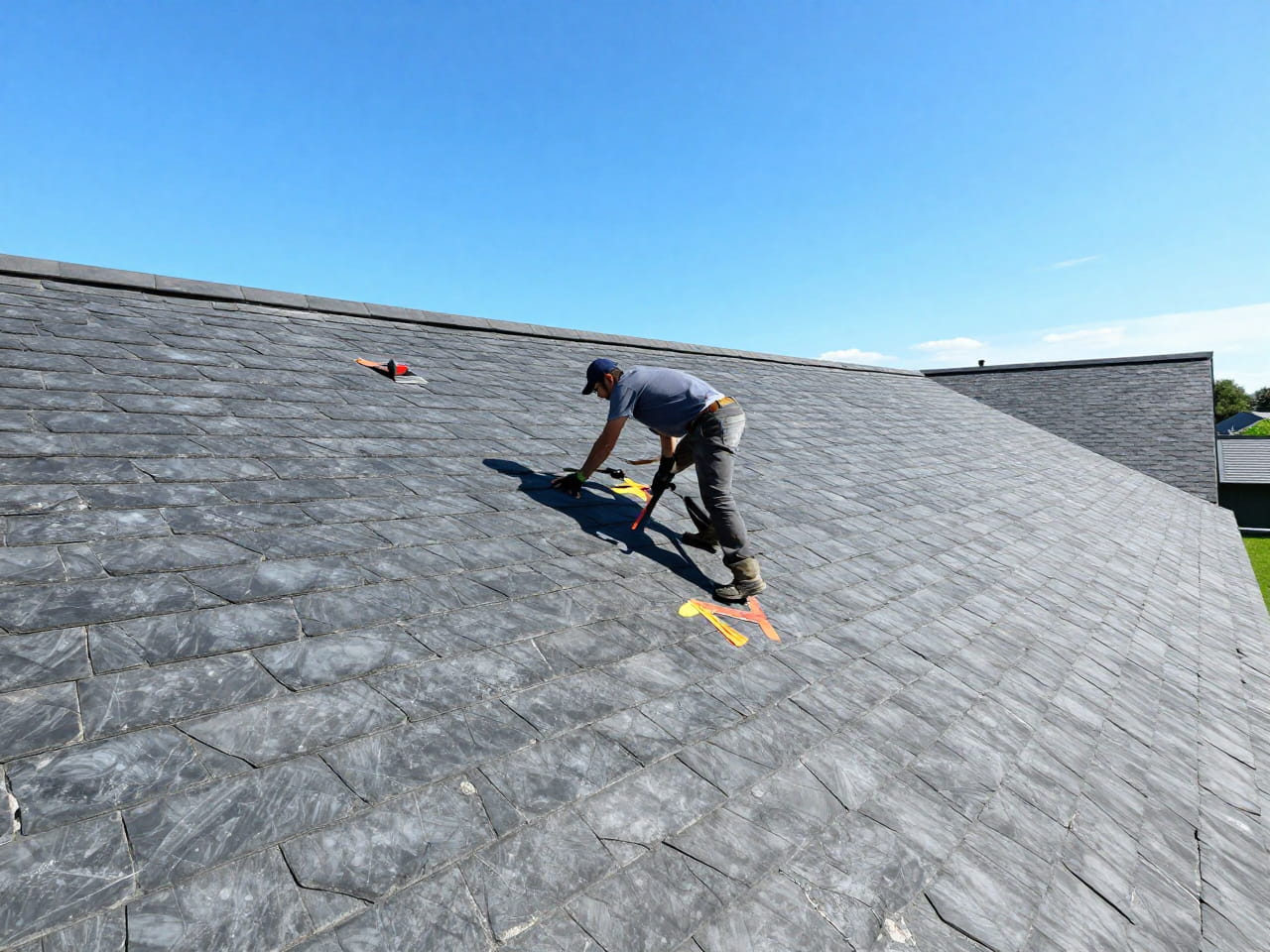
Cracked, Broken or Missing Roofing Materials
Many of Sydney’s older homes are characterised by beautiful terracotta roof tiles, while more modern builds tend towards metal and COLORBOND® steel roofing, designed to withstand challenging Australian conditions.
While a single damaged tile or isolated rust point may lead to a roof leak or water damage needing repairs, it doesn’t necessarily mean you need a whole re-roof. Even a few damaged tiles can still be repaired if the rest of the roofing system remains in good condition.
The difference is when you notice widespread deterioration, multiple broken or missing tiles, or missing roofing materials, such as sections of flashing. These are signs that the roof may require more extensive work than a localised repair.
Rust, Corrosion or Deteriorating Flashing
Sydney’s seaside suburbs are particularly vulnerable to salty sea air and weathering, which can contribute to rust patches, visible corrosion and damage to flashing.
Roof flashing helps protect vulnerable joints and roof penetrations from water entry, so deterioration in these areas shouldn’t be ignored. This can be especially important in Sydney, where roofs may be exposed to strong UV, heavy storms, high winds and, in coastal areas, salty sea air.
Deteriorated flashing, rust and corrosion can compromise your roof’s ability to keep water out, and even minor signs can develop into larger roofing problems if left unchecked.
Sagging or Daylight Visible From the Roof Space
If you have a sagging roof, or you can see daylight through sections of the roof from inside the roof space, this can indicate underlying structural issues.
These signs shouldn’t simply be monitored or ignored. Obvious sagging or structural deterioration should be assessed promptly, particularly before further heavy rain or severe weather.
Water Damage in Ceilings, Walls or Insulation
Water damage in the ceiling, walls or insulation can be a sign of an issue with the roof.
If you notice stains appearing on ceilings or walls, areas of bubbling or peeling paint, or mould in areas not obviously connected to any water system, you may be dealing with a damaged roof.
Visible water damage inside the home doesn’t always show up directly beneath the source of a leak, and it isn’t always caused by the roof. Damaged windows, cracks or inadequate wall waterproofing can also cause interior water damage.
Understanding the source of the water damage can help determine whether you need roofing repairs, a roof replacement, or whether another part of the property is responsible.
Repair or Replacement: Which One Do You Actually Need?
The decision isn’t always based on the age of the roof alone. A 25-year-old roof in otherwise good condition may still have useful life left, while a younger roof with widespread structural or water damage may require more extensive work.
You Probably Need Repairs
- An isolated damaged tile
- One-off storm damage
- A localised flashing problem
- A small area of damage
- A roof that is otherwise structurally sound
- A minor gutter or drainage issue
You May Need a Roof Replacement
- Widespread cracked or broken tiles
- Frequent recurring leaks
- Extensive corrosion
- An ageing roof with widespread deterioration
- Sagging or structural deterioration
- Multiple roofing components failing
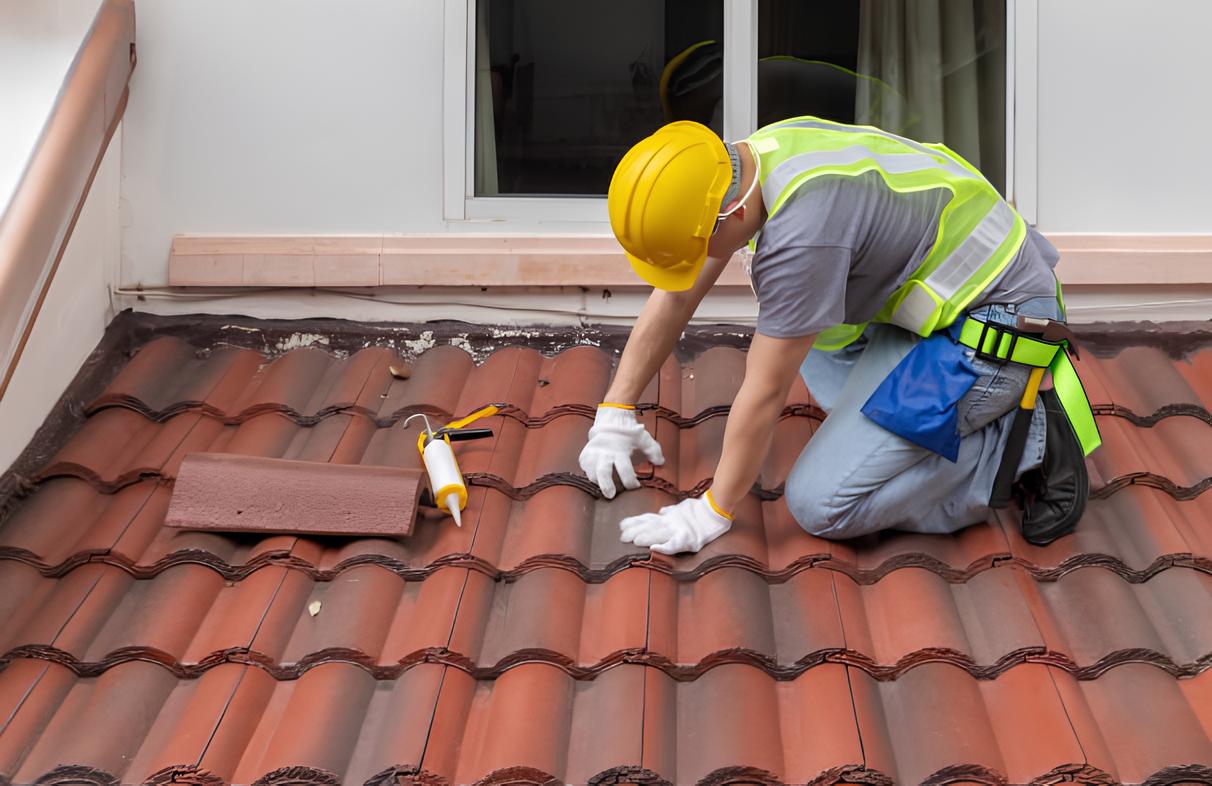
How Does a Professional Roof Inspection Work?
You’ve called your local roofing contractor in Sydney, but what can you expect from an assessment?
A roofer will generally begin with a visual inspection of the roof, flashing and gutters, checking for signs of deterioration, broken or missing tiles, corrosion and other visible damage.
They may also inspect the roof space, looking for evidence of leaks, moisture or structural problems, as well as clues that may help identify the source of any water entry.
The aim is to assess the roof as a complete system and determine whether a targeted repair is sufficient or whether more extensive work should be considered. Even if replacing a single tile is all that’s required, the inspection should give you a clearer understanding of the roof’s overall condition and whether it appears to have useful service life remaining.
