




Sydney is well known for its beautiful heritage homes, from the iconic Victorian terraces found in Paddington and other parts of the Eastern Suburbs to the red-tiled Federation homes common throughout established areas such as the Inner West. While the charm of an older home is one thing, how do you know if its electrical system is keeping up with the pace of modern living?
Then vs Now
The needs of a modern Australian family, and therefore the needs of a modern Australian home, are considerably different from what they used to be. Older properties were designed for far fewer electrical appliances than today’s life demands.
Your home’s switchboard is one place where the impact of additional electrical demand from equipment such as air conditioning, EV chargers, solar systems and electric hot water systems may become apparent.
The question isn’t simply whether a switchboard is old, but whether it is safe, suitable for the home’s current electrical demands and equipped with appropriate protection.
What Does a Switchboard Actually Do?
Your switchboard is responsible for distributing electricity around the property through different electrical circuits.
A modern switchboard typically includes circuit breakers and safety switches, which perform different protective roles. Circuit breakers help protect wiring and circuits against overloads and short circuits, while safety switches are designed to reduce the risk of electric shock.
A switchboard is essentially the control point for your home’s electrical system. It also allows individual circuits to be isolated, so a problem affecting one circuit does not necessarily mean every circuit in the home is affected.
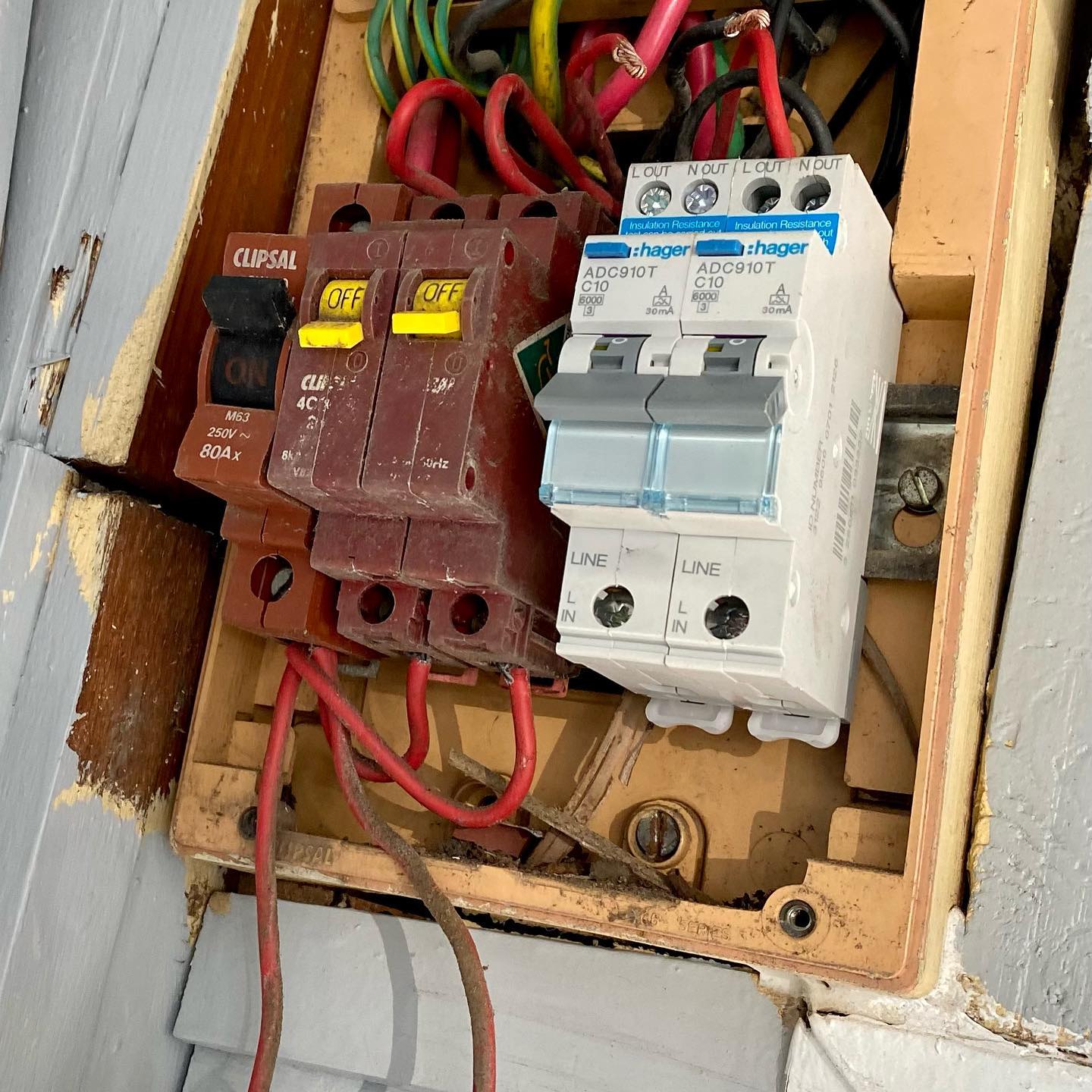
How Old Is Too Old for a Switchboard?
Age alone doesn’t determine whether your switchboard needs replacing or upgrading. However, you may want to have an experienced electrician check an older switchboard if:
- the electrical system hasn’t been upgraded for decades
- the property has undergone renovations
- electricity demand has increased
- the switchboard still uses older protective technology
- there are visible signs of deterioration
If several of these signs apply to your home, an assessment can help determine whether the existing board still has suitable protection and capacity. This can be particularly relevant in established areas such as Sydney’s Inner West, where older homes may have had circuits and electrical loads added over time. Depending on the condition of the existing board, a switchboard upgrade or replacement may be recommended, but an electrician should assess the switchboard as a whole before deciding what work is actually required.
Do You Still Have Ceramic Fuses?
Many older homes in Sydney may still have ceramic fuses in their switchboards, particularly in established suburbs where electrical systems have been in place for many decades.
Ceramic fuses are an older form of circuit protection. Modern residential switchboards generally use circuit breakers along with safety switches (RCDs), which provide additional protection against electric shock.
It’s important to note that having circuit breakers doesn’t automatically mean every circuit has appropriate RCD protection. Likewise, having an older switchboard doesn’t automatically mean the electrical installation is unsafe.
However, if the electrical demands of the home have increased substantially over time, the existing circuits, protection or switchboard capacity may no longer be suitable. It’s worth having the installation assessed by a licensed electrician to understand its current condition.
Are There Signs of Burning, Melting or Overheating?
If there are any signs of burning, melting or overheating around your switchboard, you should get in touch with a professional as a matter of priority.
Other warning signs could include:
- burning smells around the switchboard
- scorch marks
- melted plastic
- discolouration
- unusual heat
- buzzing or crackling
If one or more of these signs are present, they aren’t simply cosmetic issues. Because of the hazards associated with electricity, you shouldn’t attempt to investigate inside the switchboard yourself. Call a licensed electrician.
Does Your Switchboard Keep Tripping?
Repeated tripping can indicate a number of electrical problems. A circuit may be overloaded, an appliance may be faulty, or there could be another electrical fault that needs investigation.
Frequent tripping does not automatically mean your switchboard needs upgrading. Because there can be several possible causes, it’s best to have the issue professionally investigated before deciding what work is required.
Has Your Home’s Electricity Use Changed Dramatically?
You may have already upgraded your older home’s switchboard from ceramic fuses to modern circuit breakers, and it may have worked well for years. So why might another upgrade eventually become necessary?
If you’re adding more electrical equipment to your home or the overall electrical demand has increased significantly, the switchboard may need additional capacity, circuits or protection to accommodate those changes.
Additions that may trigger the need for an electrical assessment include:
- adding central air conditioning
- a new electric oven
- switching from gas to electric or induction cooking
- additional computers or a new home office
- pool equipment
- installing solar systems
- adding a battery
- incorporating an EV charger
Whether a switchboard upgrade is actually required will depend on the existing installation, available capacity and the electrical requirements of the new equipment.
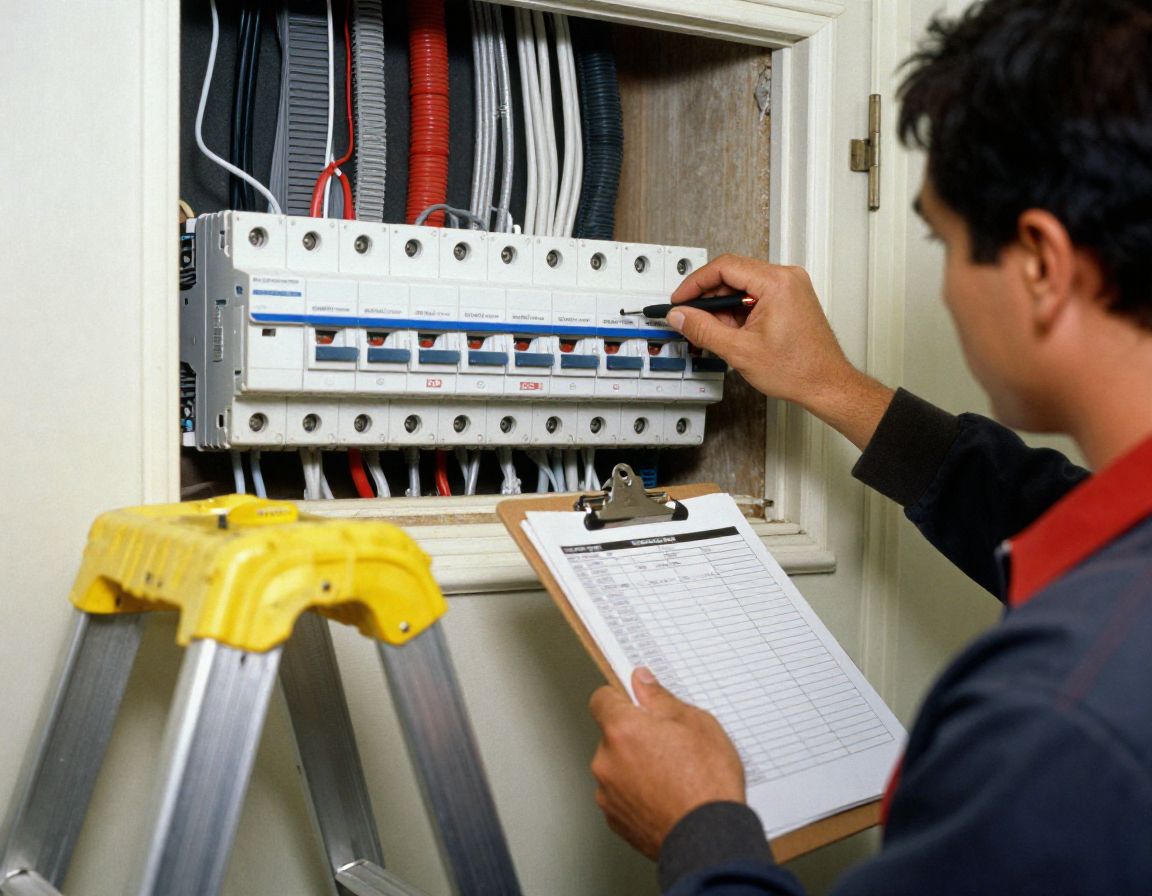
Are You Planning a Renovation or Adding Major Electrical Equipment?
Planning renovations or home updates is an exciting time in a homeowner’s journey, and it gives you the opportunity to add many of the ‘mod cons’ that an older Sydney home may be lacking.
It’s also a good time to reassess your switchboard and overall electrical system. New appliances, circuits or electrical installations may change the amount of power the property needs or require additional circuit protection.
Where electrical alterations are being carried out, parts of the existing installation affected by that work may also need to be upgraded to meet the applicable requirements. Your electrician can identify what is required as part of the renovation rather than assuming the entire switchboard automatically needs replacing.
What Happens During a Switchboard Inspection?
Calling an electrician for a switchboard inspection doesn’t mean your whole house will be turned upside down. An electrician will typically assess factors such as:
- the age and type of switchboard
- circuit protection
- safety switch protection
- visible condition
- signs of overheating or deterioration
- existing electrical demand
- planned appliances or future electrical loads
Your electrician may recommend an upgrade or replacement if the existing board is damaged, outdated or no longer suitable for the property’s needs. However, an inspection doesn’t automatically mean you need an upgrade or replacement.
What Does a Switchboard Upgrade Involve?
If your electrician has advised an upgrade to your switchboard, the work may include:
- replacing outdated components
- installing modern circuit protection
- adding or upgrading safety switches
- improving circuit organisation
- accommodating additional electrical loads
- replacing the switchboard enclosure where necessary
The exact work required will depend on the condition and configuration of the existing switchboard and what the home needs now or is expected to need in the future.
When to Call in a Professional
Sydney’s older suburbs have character and charm, but that’s not what we’re looking for in a switchboard!
The types and ages of homes vary considerably across Sydney, so it can be helpful to use an electrician familiar with the housing and electrical installations commonly found in your local area.
In the Eastern Suburbs, where established homes and older properties are common in areas such as Paddington, Woollahra, Randwick and surrounding suburbs, a licensed electrician servicing Sydney’s Eastern Suburbs can assess whether your existing switchboard is still suitable for the way your home uses electricity today.
The Inner West also has a large number of older terraces, cottages and renovated homes where original electrical systems may have been modified over time. If you live in this part of Sydney, an electrician servicing Sydney’s Inner West who regularly works with older properties can assess the switchboard’s condition, protection and capacity.
Whichever part of Sydney you live in, a professional assessment should help determine whether the existing switchboard is suitable, needs repairs or would benefit from an upgrade or replacement.
