




Whether you’re planning a renovation or extension project or want to start from scratch on your Sydney home, there are a few things to consider when looking at demolition. Often people will think it’s an all-or-nothing approach, but you need to look carefully at the building’s current condition, your project scope and what needs to remain when thinking about demolition.
What Is the Difference Between Full and Partial Demolition?
What happens during a full demolition?
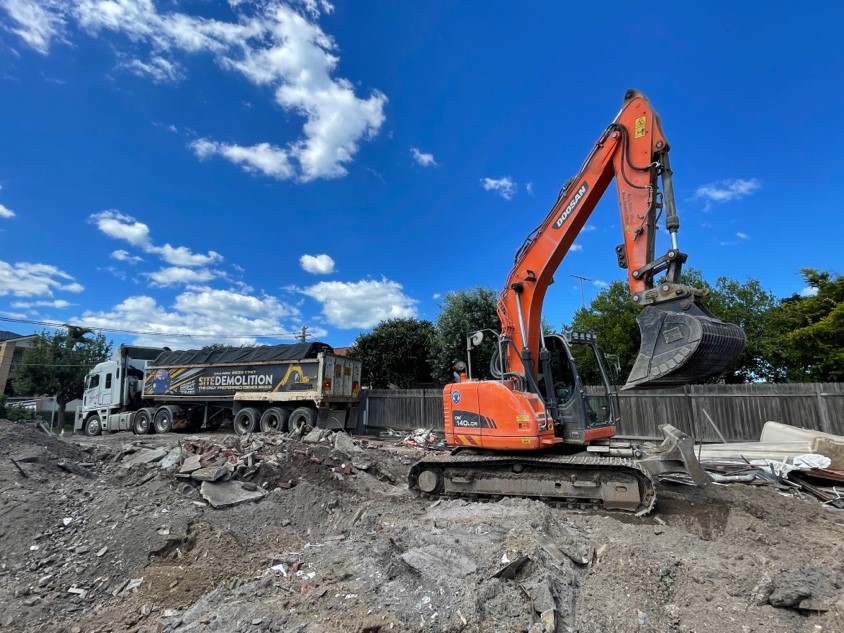
A full demolition takes your site back to square one. Beginning with turning off utilities to the site, your demolition team will then cordon off the site and carefully knock down and remove all existing structures, removing all the material and leaving a graded, clean base of soil where your building once stood.
What does partial demolition involve?
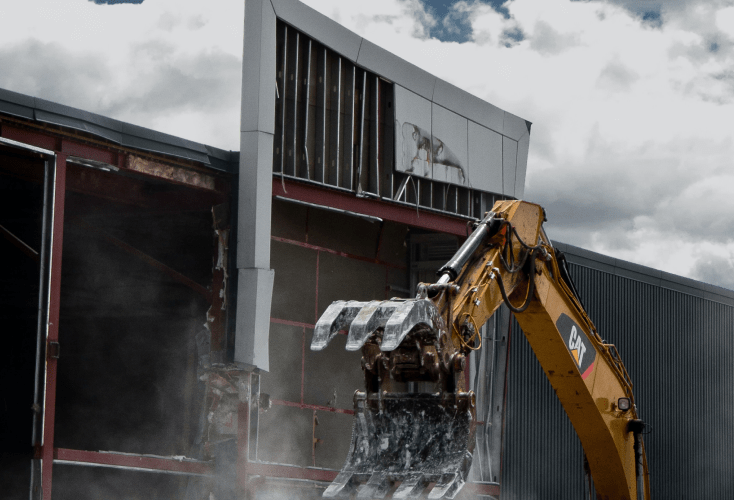
A partial demolition is a much more delicate operation, requiring the careful removal of selected elements on your site, whether that is your garage, an old extension or other structural elements, while retaining the rest of the building without incurring damage.
When Does Full Demolition Make More Sense?
There are many times when a full demolition of a Sydney property is needed. The first thing to look at is the condition of the building and any structural damage; if renovation isn’t a suitable option; and if there are plans for a completely new design that requires a fresh start on the site. You may want to look at cost comparisons between renovation and rebuilding, as sometimes it actually ends up being cheaper to start fresh.
When Is Partial Demolition the Better Option?
A partial demolition may be a better option when there are only some elements of the building that are structurally damaged, or you are considering replacing, or there might be sentimental reasons to retain a portion of a generational family home. Even if you’re preparing for a major renovation, it’s not always necessary to do a full demolition if the existing structure is sound and fits in with the new design. Your demolition team in Sydney will need to pay particular attention to protecting the parts of the building that are to remain if you choose a partial demolition route.
What Factors Affect the Cost of Demolition in Sydney?
Size and type of structure
Plot and building size play a role in the cost of demolition in Sydney. A single-storey, free-standing home will have a significant cost difference to an attached multi-storey building, even if the plot size is the same.
Site access and space for machinery
Site and machinery access can impact the cost of a demolition, as difficult access may require extra equipment or permissions to complete the demolition; similarly gaining sufficient space for machinery can sometimes come at extra cost if space is tight.
Asbestos and other hazardous materials
Many Sydney homes built between 1945 and the 1990s contain asbestos. If there’s asbestos or other hazardous materials at your site, specialised asbestos removal or remediation services may be required before the site is cleared for rebuilding.
Waste removal, recycling and site clearance
The cost of waste removal and recycling building materials varies according to the site access and location, as well as the type and volume of waste being removed.
What Approvals and Safety Checks Are Needed Before Demolition?
All demolition work, whether full or partial, should go through the appropriate safety checks and gain the proper permissions before work commences.
Check planning approvals and council requirements
While minor works – like painting your house or minor internal upgrades – may not need approval, demolition requirements depend on the property and scope of work. Demolition may qualify as exempt development, be carried out under a Complying Development Certificate (CDC), or require a development application (DA) through the relevant council.
Because Sydney is home to so many heritage sites, your building must be approved for development by the right authority if it is a heritage building or within a heritage conservation area. You will also need the appropriate environmental planning approval.
Arrange asbestos checks and utility disconnections
Checking for hazardous materials is a must for a Sydney demolition, and any asbestos or other hazardous material must be handled appropriately. If contamination is identified, site remediation may be required before work begins. All utilities to the site must also be disconnected prior to demolition beginning. Construction wiring, switchboards and transportable structures must also be inspected and tested by a licensed electrician before energisation in accordance with SafeWork NSW requirements.
How Do You Choose the Right Demolition Contractor?
Licensed
Not everybody with a bobcat and a ‘can-do’ attitude is licensed for demolition. For the physical and legal safety of your project, ensure the contractor you use for demolition in Sydney is fully licensed and has the appropriate licences in place for the type of work you need.
Itemised Quotes
Don’t settle for a vague quote for your project. Request a written, itemised quote detailing every step of the project.
Protection Plans
Ask for details from your contractor about how they protect neighbouring buildings and any structures that will be retained on the site.
Waste Disposal Plans
You want to ensure a full waste disposal and recycling plan before work begins, so make sure this is part of your itemised quote.
Make the Right Decision Before Your Project Begins
It’s important to think carefully about your project needs before calling in the demolition team. A consultation with a qualified builder and demolition professional may be a useful first step, particularly if there are parts of a building you want to retain for aesthetic or sentimental reasons.
Sometimes a full demolition is the more cost-effective option, and maybe elements of your home that have sentimental value can be salvaged and incorporated into your new build; your professional demolition company in Sydney should be willing to work with you to achieve your desired outcome, whether that means a full or partial demolition.
