




Walk through almost any Sydney suburb on a weekend and the evidence is hard to miss. Dual-cab utes, many of them lifted, lightly modified, or wearing aggressive off-road styling, are parked outside cafes, lined up at boat ramps, and idling in school pick-up lanes. A vehicle that once belonged to tradespeople and farmers has become part of the city’s everyday traffic, and at the top of that segment sits a new breed of high-performance utes.
From Work Vehicle to Weekend Machine
The shift did not happen overnight. Utes have long ranked among the best-selling vehicles in the country, and industry figures published by the Federal Chamber of Automotive Industries show how consistently the segment features near the top of the monthly sales charts. Several factors drive that popularity: strong towing ability, practical space for gear and families, and comfortable, car-like interiors that make daily driving easy.
The appeal is also about image and experience. A modern ute offers a high driving position, a spacious cabin, and the sense that it can go anywhere, even if most trips never leave the tarmac. For many buyers, that confidence is part of what they are paying for, and the market for upgraded and specialised versions has grown to match it.
Buyers also want a vehicle that can handle the weekends. Many Sydney households use a ute to tow boats down to the coast, haul bikes to the mountains, or head up the coast for a camping trip. The result is a segment where capability and lifestyle overlap, and manufacturers have responded by building more specialised, performance-focused variants.
What Sets the Ranger Raptor Apart
The Ranger Raptor sits at the sporty end of that range. It is built for high-speed driving on rough surfaces, with a wider stance, long-travel suspension, and upgraded shock absorbers designed to handle punishment that would unsettle a standard ute. The latest generation also moved to a twin-turbo petrol V6, a notable change from the diesel engines that dominate the segment.
The model’s background and specifications are outlined on Wikipedia, which also covers how it fits into Ford’s broader performance lineup. For buyers, the appeal is easy to understand: it delivers a level of off-road performance that few other factory utes match, along with the comfort and technology expected of a modern vehicle. The suspension is the headline feature. Long-travel shock absorbers with adjustable damping allow the vehicle to stay composed at speed over bumps that would overwhelm a standard ute, and that same hardware is why owners are careful about adding heavy accessories that could change how the suspension works.
The Build Culture Around It
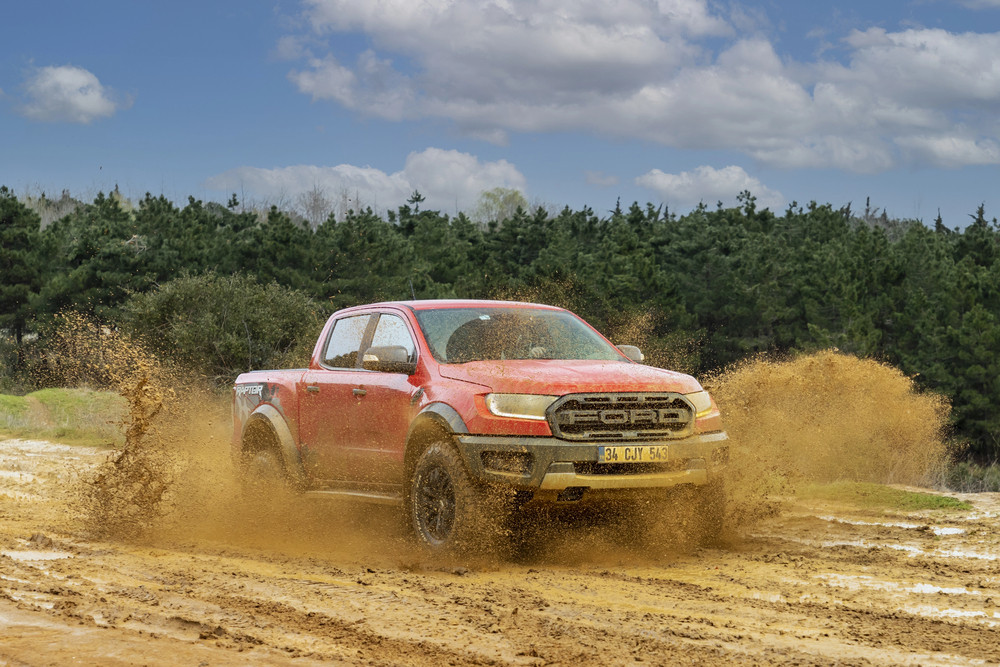
Even a factory performance vehicle often becomes a starting point rather than a finished product. Owners add front bars, underbody protection, lighting, wheels, and tyres, and a thriving community has grown up around sharing details of what works. For anyone interested in the options, a documented ranger raptor build shows how a vehicle can be set up for both performance and protection, and the choices involved.
The most important lesson from experienced builders is that the factory vehicle is already tuned carefully. Adding weight at the front, changing the tyre size, or altering the suspension can upset that balance, so modifications are best chosen to complement the vehicle’s design instead of fighting it. That is particularly true for the electronics: modern performance utes rely on sensors and driver assistance, and accessories need to be designed to work with them.
Practical Realities for City Owners
Owning a large performance ute in Sydney comes with practical considerations. Parking is tight, many car parks have height and width limits, and narrow inner-city streets can make a wide vehicle feel enormous. Fuel costs are higher than for a smaller vehicle, particularly with a petrol engine, and heavier tyres and accessories add to consumption.
Compliance and insurance also deserve attention. Modifications that change a vehicle’s height, weight, or safety systems must meet state rules, and insurers generally expect owners to declare any changes. Keeping documentation for every upgrade, and using fitters who understand the requirements, avoids problems down the track. Tolls, parking fees, and servicing costs for a large, high-performance vehicle also tend to be higher than for a typical car, so it pays to budget for the full cost of ownership rather than just the purchase price.
The rise of the performance ute reflects a broader change in how Australians use their vehicles. Many want one machine that can do the school run on Monday and tackle a rough track on Saturday, and the Raptor and its rivals have been built to deliver exactly that. For Sydney owners, the key is matching the vehicle and its setup to how it will really be used, and keeping the practical limits of city life in mind.
