




Most light vehicles in NSW that are more than five years old require a yearly Pink Slip safety inspection when indicated on the registration renewal notice. However, that annual inspection shouldn’t be the only time you think about your brakes. Sydney’s stop-start traffic, hilly roads and individual driving habits can all affect brake wear.
Why Regular Brake Checks Matter
Brakes Wear Down Gradually
Brakes gradually wear down every time you use them because the friction needed to slow your car creates heat and slowly wears away the brake material. Between scheduled services or inspections, wear and tear can affect braking performance.
Brake Problems Can Affect More Than Stopping Distance
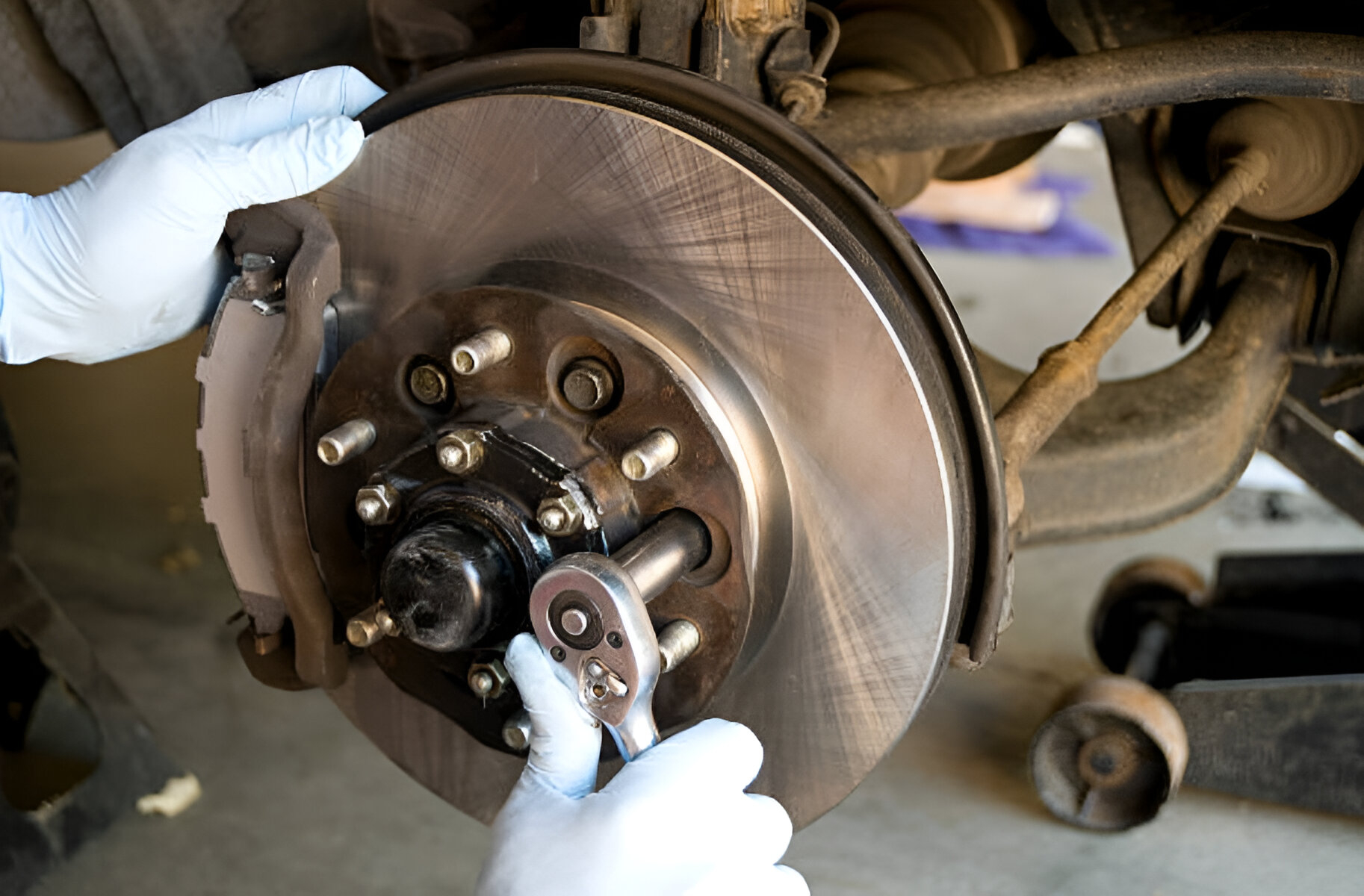
Small brake problems can impact more than just your stopping distance. Worn brake pads or faulty components can damage brake rotors, cause uneven braking and place extra strain on other parts of the braking system.
Small Problems Can Become Expensive Repairs
Just like with your physical health, your car’s health can benefit from regular car servicing. Catching issues early can help prevent more expensive repairs and stop problems from affecting other components later down the line.
How Sydney Driving Conditions Can Affect Your Brakes
Stop-Start City and Suburban Driving
City driving often involves a stop-start pattern that puts more stress on brake systems than travelling similar distances on highways or long country roads. Heavier traffic and frequent braking for traffic lights and congested roads can wear your brake pads more quickly.
Hills and Frequent Braking
Sydney’s hilly suburbs can also place extra demand on brakes, particularly on downhill sections where drivers need to brake more frequently to control their speed. Repeated braking can generate additional heat and contribute to brake wear over time.
Sydney Climate
Sydney’s humid and coastal conditions can also affect exposed brake components. Moisture can contribute to surface corrosion on brake rotors and other metal components, particularly when a vehicle is left unused for extended periods.
What Are the Warning Signs Your Brakes Need Attention?
Warning signs that your brakes need attention include squealing or grinding noises, vibrations when braking, a soft or spongy brake pedal, or your car pulling to one side when braking.
How Often Should You Have Your Brakes Checked?
A Pink Slip should not be treated as a substitute for regular brake maintenance. For drivers who regularly deal with stop-start traffic, steep roads or frequent short trips, more regular brake inspections can help identify wear before it becomes a bigger problem. Across the Northern Beaches, including areas such as Dee Why, Manly and Brookvale, driving conditions can vary considerably. If you’re nearby, a local mechanic in Brookvale can advise how often your brakes should be checked based on your vehicle, driving habits and typical road conditions.
What Happens During a Brake Inspection?
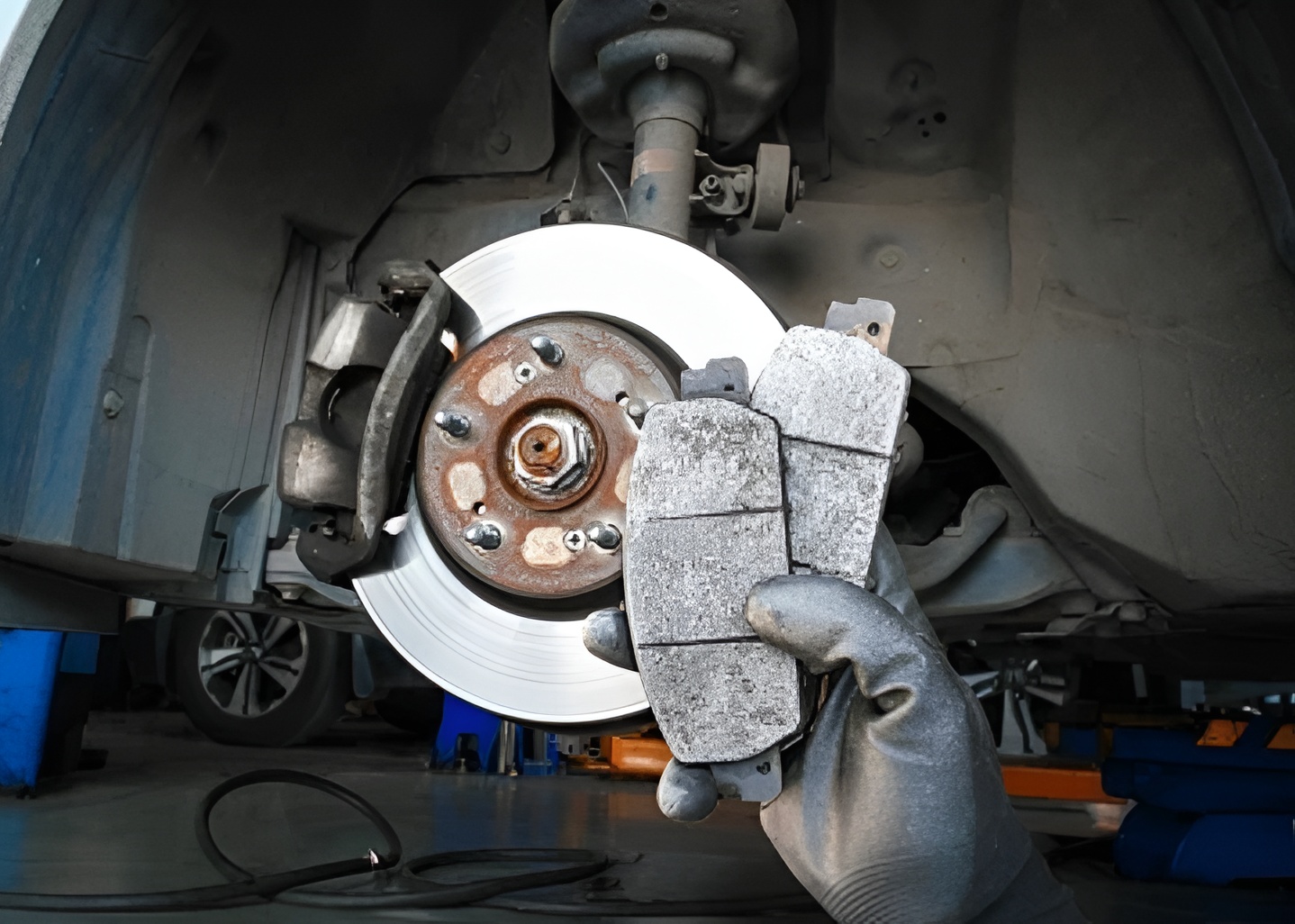
During a brake inspection, a mechanic checks the condition of key components including the brake pads, rotors or discs, brake fluid and calipers. They will also assess the overall performance of the braking system to identify signs of wear, damage or other issues that could affect your vehicle’s safety and stopping ability.
When Should You Take Your Car to a Mechanic?
Regardless of your mileage or how recently you had an inspection, you should get your brakes checked right away if you notice any of these symptoms:
- Strange noises: High-pitched squealing or harsh metal-on-metal grinding.
- Physical vibrations: Shaking or pulsing in the steering wheel or brake pedal when stopping.
- Spongy pedal feel: The brake pedal feels soft or sinks further to the floor than normal.
- Vehicle pulling: The car drifts or pulls to one side when you apply the brakes.
- Warning lights: The ABS or brake dashboard light turns on.
If you notice any of these warning signs, having your vehicle inspected by a local mechanic can help identify the problem before it develops into a more serious or expensive repair.
