




Aussies love their ‘Spag Bol’, pizza and chicken parmigiana – but what about when you want a more authentic dining experience for a special occasion like a birthday, anniversary or graduation? Here’s what to look for when choosing Italian food in Sydney.
What Does “Authentic” Italian Food Actually Mean?
Authentic Italian food is less about following one national style and more about regional traditions, simplicity, seasonality and respect for the ingredients. A restaurant that claims ‘authentic Italian’ should have a clear food philosophy that reflects the chef’s background, influences, experience or family traditions.
Why Does Italian Cuisine Vary So Much by Region?
Italy has 20 regions, and its cooking traditions can vary not only between regions but between individual towns and families. Geography, climate, agriculture and centuries of local tradition have all shaped the country’s regional cuisines. These regions are often broadly discussed as Northern, Central, Southern and Island cuisines, which can give a broader understanding of regional differences.
Northern Cuisine
Northern Italian cuisine varies considerably by region. Butter, cheese, rice, polenta and meat feature strongly in many northern cuisines, while coastal areas such as Liguria make greater use of olive oil, herbs and seafood. Lombardy, Emilia-Romagna and Liguria are a few well-known northern regions.
Central Cuisines
Central Italian cuisine acts as a bridge between the richer traditions of the North and the bright, tomato-and-seafood-focused cooking found in parts of the South. It is defined by extra virgin olive oil, freshly baked rustic bread, handmade pasta, grilled meats, and deep-rooted farm or forest ingredients – think Tuscany, Lazio and Umbria.
Southern and Island Cuisines
Southern Italian and island cuisines often feature extra-virgin olive oil, sun-ripened tomatoes, fresh seafood and durum wheat dried pasta. Chilli and bold flavours are also particularly important in some southern regions. Think Naples, Sicily and the Amalfi Coast.
What Ingredients Matter in Italian Cooking?
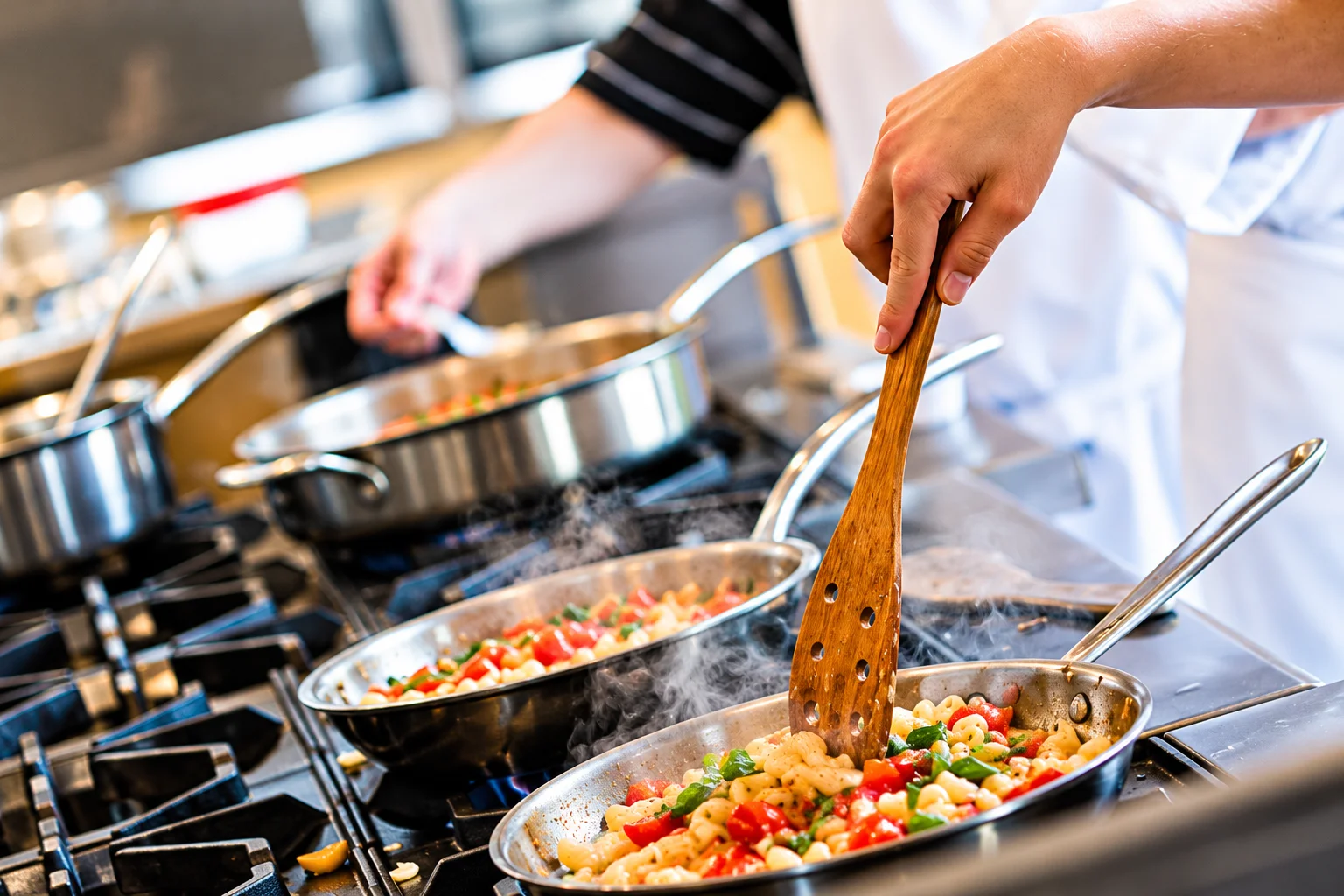
Authentic Italian cooking relies on simplicity, regional tradition, and the high quality of foundational pantry and fresh ingredients.
Olive Oil
Olive oil is foundational for many Italian dishes, with different styles and qualities suited to cooking or finishing a dish. Butter also plays an important role in many northern Italian cuisines.
Pasta and Grains
Pasta, whether fresh or dried, is at the heart of Italian cuisine. Durum wheat is commonly used for dried pasta, while polenta, Arborio rice and hearty beans also feature prominently in different regional cuisines.
Cheeses
Italian cooking often makes cheese the star of a dish, rather than just a garnish or after-dinner course. Parmigiano Reggiano, mozzarella, Pecorino Romano and ricotta are some of the more well-known Italian cheeses.
Protein
Fish and seafood star in many Southern and Island dishes, while meat, poultry and cured meats vary considerably by region. Many areas have their own local specialities and preparation methods.
Accompaniments
Herbs like basil, rosemary and parsley are central in many Italian dishes, with olives, anchovies, capers and chilli adding salty, spicy accents to Italian food. Balsamic vinegar is particularly associated with Emilia-Romagna and can also play an important role in regional cooking.
Why Seasonal Ingredients Matter in Italian Cuisine
Seasonality is at the heart of many Italian cooking traditions. Historically, cooking with the seasons meant making the most of ingredients when they were locally available and at their best. There’s a deep-rooted tradition of eating with the seasons and maintaining a connection with local produce and the land. Preserving foods is part of this tradition too, allowing ingredients harvested at their peak to be enjoyed later in the year.
- Spring: Features asparagus, artichokes, peas and fresh greens.
- Summer: Focuses on tomatoes, basil, stone fruits and dishes that require minimal cooking.
- Autumn: Centres on porcini mushrooms, truffles, chestnuts and freshly pressed olive oil.
- Winter: Relies on citrus, brassicas such as cabbage and broccoli, and hearty legume or grain soups.
How Much Does the Dining Experience Matter?
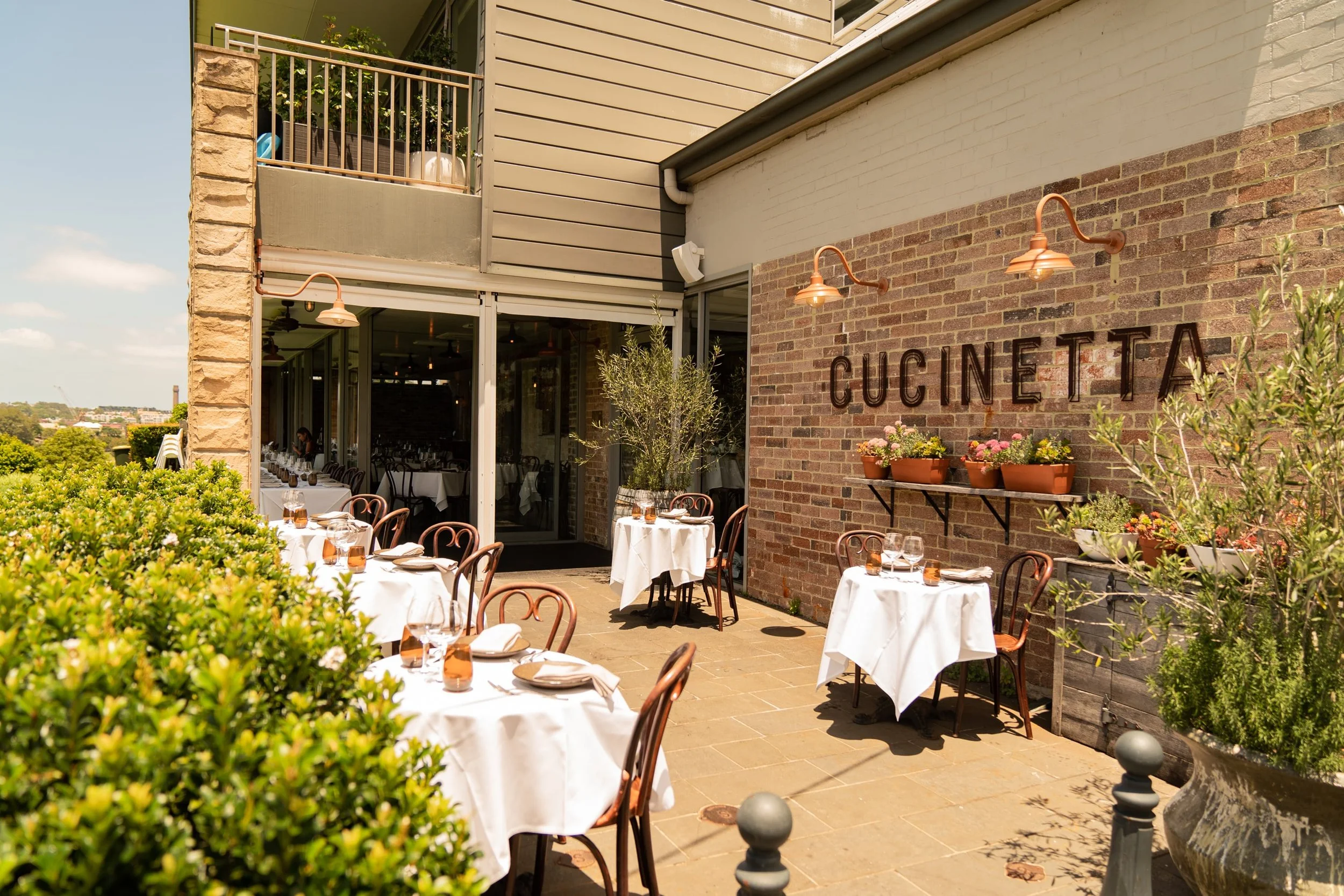
A good Italian restaurant will make your dining experience feel like you’ve been invited into someone’s home for a special occasion; expect warmth and character, menus that reflect the season and a relaxed atmosphere. With the background of beautiful Sydney, if you’re really looking for a special dining experience, look out for restaurants that bring the city’s sights to your table; harbour or waterfront views, a leafy or heritage area, or expansive cityscapes can help make your meal memorable.
What Should Sydney Diners Consider When Choosing an Italian Restaurant?
Seasonality
Sydney has access to a wide range of local and regional produce; look for restaurants that use fresh ingredients thoughtfully and allow the menu to reflect what is available and in season.
A Connection to the Chef – Regionality
When choosing an authentic Italian restaurant in Sydney, look for a clear food philosophy and a genuine connection to Italian cooking traditions. This might come through the chef’s background, regional influences, family recipes or personal experiences.
In-House Preparation
In-house preparation can also be a sign of care and craft. Look for details such as handmade pasta, house-made breads or dishes prepared using traditional techniques. These details can tell you more about a restaurant’s approach than the word ‘authentic’ on its own.
