




What’s the Difference Between Business Profit and Cash Flow?
It’s a reality that many businesses face: being profitable on the books but struggling with daily cash flow. So, what’s the difference? Profit is the income a business earns minus the expenses recognised over a period, while cash flow tracks the money actually coming in and going out of the business. A business can therefore report a profit without having enough cash available to pay its bills.
Why Having a Healthy Profit Doesn’t Always Mean Having Cash Available
In a perfect world, everyone would pay their invoices on time, you’d know ahead of time about all expenses, and you’d plan perfectly for everything; but this is far from the real world! Even if you’re very profitable, there are times when cash is short: you may have purchased inventory and a client is overdue with an invoice meant to cover that cost, or a tax payment may fall due before you’ve set aside enough money to cover it.

Common Reasons Small Businesses Experience Cash Flow Problems
Late-Paying Customers and Outstanding Invoices
When invoices go unpaid past their due dates, your business may have already recognised the revenue, depending on its accounting method, but you cannot use that money to fund your day-to-day operations. This creates a disconnect between your available cash and your profitability on the books.
This can have a ripple effect, impacting your ability to pay suppliers and employees, or invest in growth opportunities in your own business. Simple ways to combat this include offering discounts for early payment, automating reminders and reviewing payment terms. Late payment fees may also be an option where your agreed terms and applicable laws allow them.
Unexpected Tax and GST Obligations
Tax and GST obligations come with lodgement and payment deadlines, and unexpected bills can put pressure on cash flow if funds haven’t been set aside.
As a business grows, its tax obligations may also change. For example, the ATO’s GST registration guidance explains when businesses need to register for GST based on their turnover.
Timing also plays a major role. A business might earn income in one period but have tax payments due months later, making it easy to underestimate what needs to remain in the bank.
Proactive accounting, with cash flow forecasting and a dedicated account for tax obligations, can help reduce the chance of unexpected shortfalls. If payment difficulties arise, eligible businesses may also be able to arrange a payment plan with the ATO, although interest may still apply.
Rising Operating Costs and Business Expenses
When inflation, supply chain disruptions or rising wages push up your day-to-day costs, your business has to spend more cash just to maintain the same level of output.
If these increases aren’t matched by higher revenue or faster customer payments, the amount of cash available for everyday operations can shrink. Depending on your business, you may be able to manage this by reviewing prices, reducing unnecessary expenses, negotiating supplier terms or adjusting stock purchasing to avoid tying up too much cash.
Poor Financial Planning and Budgeting
Without a structured financial roadmap, a business operates reactively. Even a highly profitable company can experience cash shortages if it doesn’t plan when money will actually enter and leave its bank accounts.
Often, it’s as simple (and avoidable) as a timing mismatch. For example, major software subscriptions may fall due while you’re still waiting for payment from a client with 60-day payment terms. This can create a cash crunch that better planning might have anticipated.
Aggressive growth plans without cash flow forecasting can also create problems, as a business may need to pay for stock, equipment or additional staff before receiving payment for new orders.
The Australian Government’s guide to managing cash flow recommends using financial records, cash flow statements and budgets to monitor when money is expected to come in and go out.
When Should You Seek Help from a Business Accountant?
If you’ve been handling your business accounts yourself but are struggling to balance cash flow, profitability and planning, it is worth bringing in a business accountant to help, so you can focus more on running your business while receiving professional support with financial reporting and forward planning.
Recognising Financial Warning Signs Early
It’s better to seek accounting advice when cash flow problems first appear rather than waiting until the business is struggling to meet its obligations.
Cash flow is an important early warning sign, so if you’re profitable on paper but struggling to pay suppliers, employees or tax bills, don’t apply quick fixes and hope for the best.
An accountant can help prepare and review a cash flow statement, identify where the money is going and explain the difference between reported earnings and the cash available in your bank account.
Using Financial Reports to Make Better Business Decisions
An accountant doesn’t just hand you a bunch of files and leave you on your own to understand them. They can help turn data into informed business decisions that take into account profit, loss, cash flow and your overall balance sheet.
They can also assist with cash flow forecasting and budgeting, helping you anticipate upcoming expenses, identify potential shortfalls and plan for future business needs.
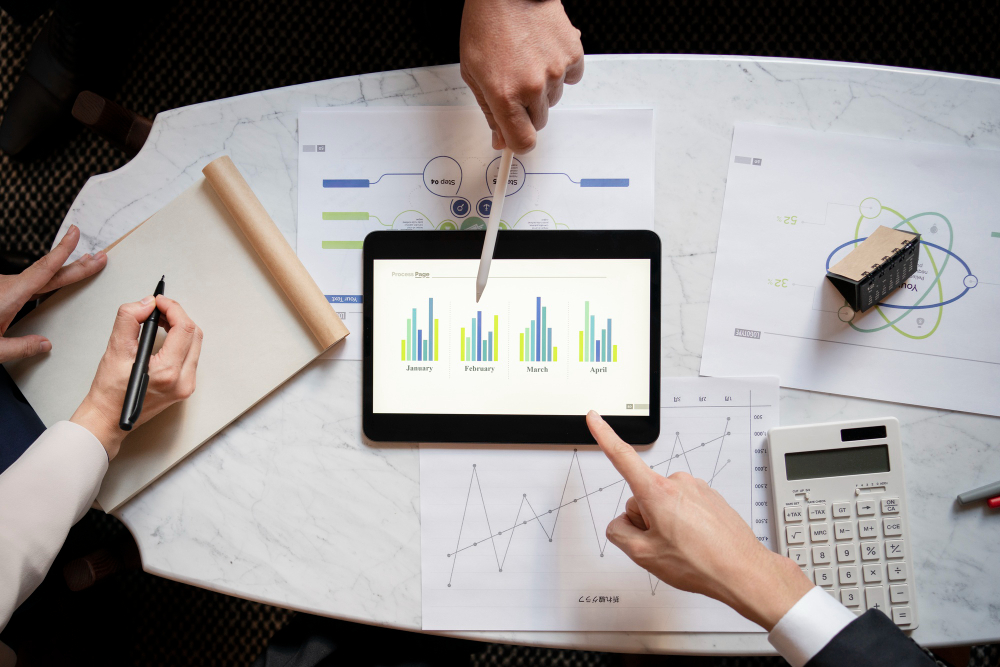
Getting Professional Advice on Business Growth and Tax Planning
Business growth is something most business owners are looking for, but planning for it properly should come with professional advice on things like tax planning, cash flow during growth periods and restructuring as your business grows.
A professional can help with Business Activity Statement (BAS) preparation and lodgement, alongside tax planning and other accounting responsibilities. Keeping these areas coordinated can help you understand upcoming financial obligations and plan for them as your business grows.
How the Right Accounting Support Can Help Your Business Grow
Finding the right accountant is important. You want to look for experience and an individual or agency that you can build a relationship with.
Local knowledge is also important, particularly when your accountant understands the types of businesses operating in your area. Across Wollongong, Shellharbour and the broader Illawarra, businesses in trades, retail and professional services can experience different cash flow pressures depending on their operating costs, customer payment terms and seasonal demand.
For business owners in the Illawarra, working with an accountant in Wollongong can provide access to accounting support for managing cash flow, planning tax obligations and making informed decisions about business growth.
