




What Dental Changes Should You Expect as Your Child Grows?
The Transition from Baby Teeth to Permanent Teeth
Losing a first tooth is a major childhood milestone, whether the tooth fairy comes to collect it or it simply marks the start of getting “big”. Children usually start losing their baby teeth around age 6, with most replaced by permanent teeth by age 12.
What Dental Problems Should Parents Look Out For?
Recognising Early Signs of Crowding and Bite Problems
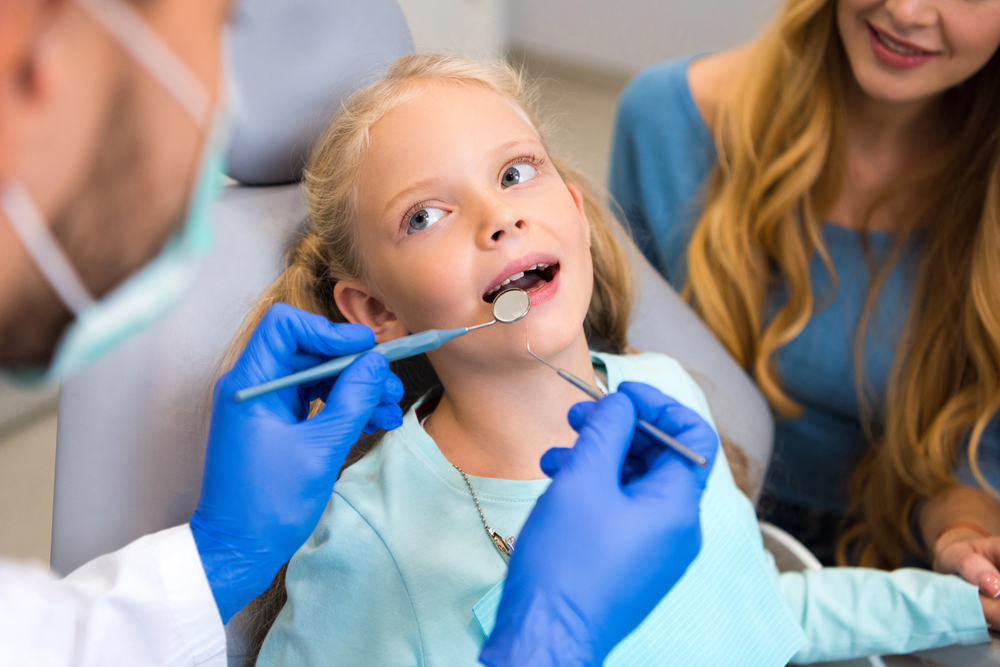
Pay attention to early signs of crowding and bite issues. If you notice that your child’s adult teeth are coming through crowded, rotated or noticeably out of line, it’s worth raising this with their dentist. Similarly, an obvious overbite, underbite or difficulty bringing the teeth together may need assessment.
Thumb Sucking, Mouth Breathing and Developing Jaws
At the same time as losing their baby teeth, your child’s jaws are also continuing to develop as permanent teeth begin to emerge.
Thumb or finger sucking and dummy use are common in young children, but if the habit continues beyond around four years of age or as permanent teeth begin to appear, it can affect the position of the teeth and the developing bite. Persistent mouth breathing can have several possible causes, so it is also worth discussing with your child’s dentist or GP rather than assuming it is purely a dental issue.
If crowding or a bite problem is developing, your dentist may monitor it or recommend an orthodontic assessment. In some cases, orthodontic appliances may be considered depending on the child’s individual development and needs.
Delayed Loss of Baby Teeth
The timing of baby tooth loss varies from child to child. If a baby tooth remains in place much longer than expected, or a permanent tooth begins erupting while the baby tooth is still firmly in position, your dentist can assess what is happening. Possible causes can include a retained baby tooth, an impacted or missing permanent tooth, or a baby tooth that has fused to the surrounding bone.
How Can Children’s Active Lifestyles Affect Their Dental Health?
Protecting Teeth During School and Weekend Sports
The Northern Beaches is well known for its active outdoor lifestyle, with school sport, local sporting clubs and easy access to beaches and recreational activities. While sun protection, helmets and other protective gear are drilled into us as Aussies from a young age, dental protection is not always given the same consideration.
Why Custom-Fitted Mouthguards Matter
Custom mouthguards are important for kids who play sports because a dentist-made mouthguard provides a close fit and a high level of protection against dental injuries. The Australian Dental Association recommends custom-fitted mouthguards where there is a risk of oral injury, with over-the-counter options generally offering less predictable fit, comfort and protection.
Custom-fitted mouthguards are designed to stay securely in place and are less reliant on the child continually biting down to hold them in position.
The Impact of Sports Drinks and Frequent Snacking
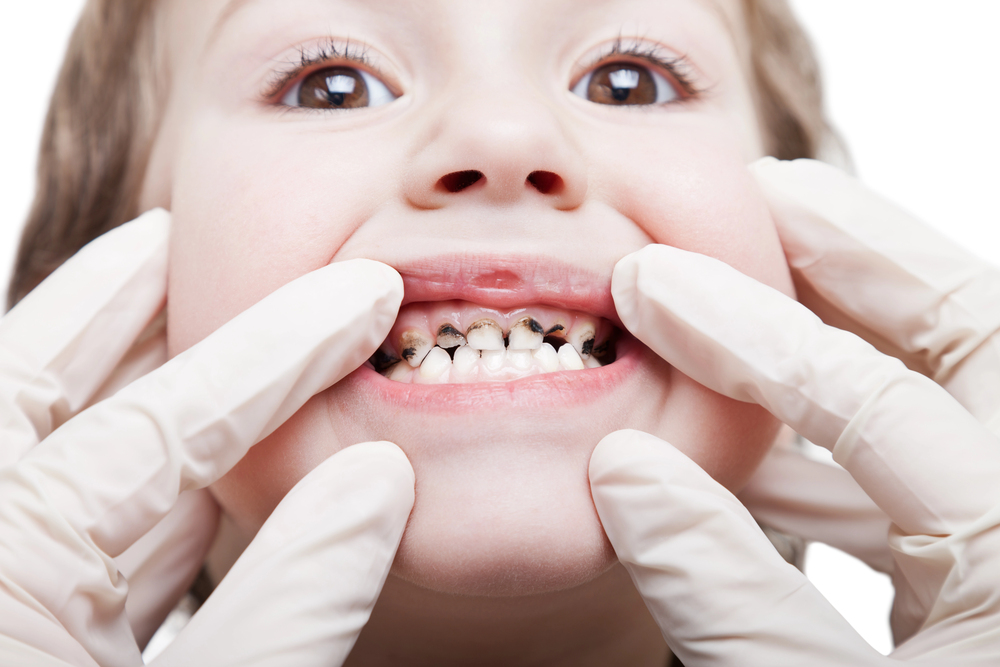
Busy and active children need hydration and energy support, but frequent snacking and sports drinks can increase the risk of tooth decay and enamel erosion. Frequent sugary or sticky snacks can expose teeth to repeated acid attacks, while sports drinks are often both sugary and acidic. Even some sugar-free acidic drinks can contribute to enamel erosion.
For most children, water is the best drink for hydration. Healthy snack options can include fresh fruit and vegetables, cheese and plain yoghurt, while sugary and acidic foods and drinks are best kept to a minimum.
When Should Children Have a Dental Check-Up?
Healthdirect recommends that children have their first dental visit when their first tooth appears or by their first birthday, whichever comes first. Regular dental visits should continue after that, with the timing based on the child’s individual oral health needs. Check-ups every six to 12 months are common, but your dental practitioner can recommend the most suitable interval.
For families juggling school, sport and other activities across the Northern Beaches, having a regular family dentist on the Northern Beaches can make ongoing dental care easier to keep on the family schedule.
Arrange an earlier appointment if you notice crowding or bite changes, ongoing thumb or dummy sucking, persistent mouth breathing, dental pain, a tooth injury or anything else about your child’s teeth or mouth that concerns you.
