




Stormwater drains are an important part of your Sydney home’s drainage system, particularly during periods of heavy or sudden rainfall. Keeping your stormwater drains clear is important to avoid potential damage to your home and surrounding infrastructure.
What Are the Signs of a Blocked Stormwater Drain?
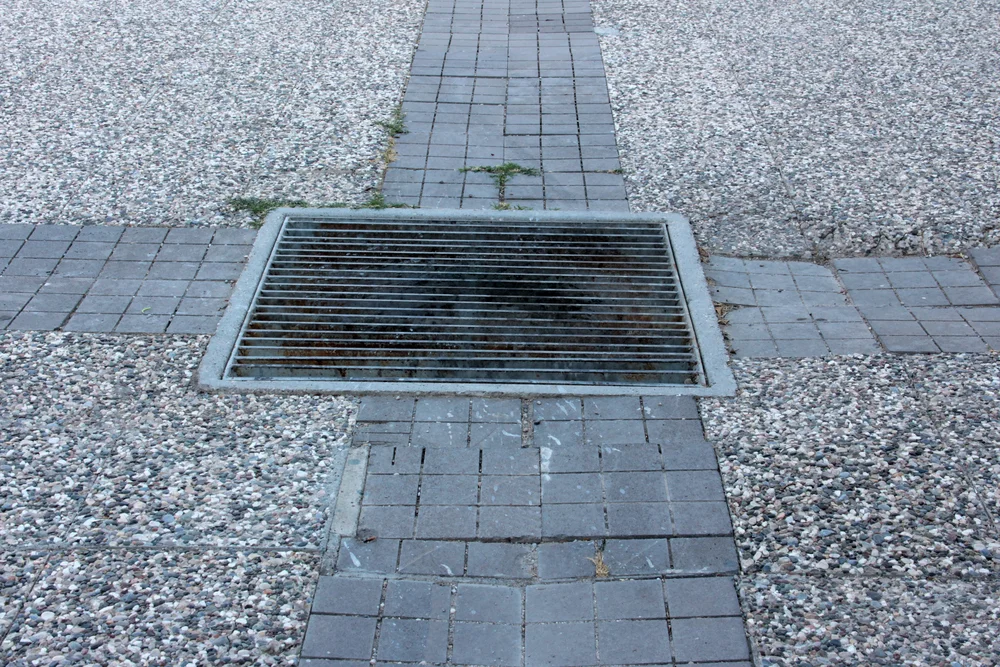
Water Pooling After Rain
If you notice water pooling around your home after rain, this can indicate your stormwater drain is blocked. You want to rule out other factors like poor surface drainage as well, because pooling water isn’t an automatic sign of a stormwater blockage, but it can be a sign when other causes have been ruled out.
Slow-Draining Outdoor Areas
If your outdoor areas are slow to drain after rain, especially if it’s a new occurrence and you’ve not had the issue after previous heavy rains, this is a sign to check your stormwater drain for blockages.
Overflowing Pits and Grates
If your grates or pits are overflowing, your stormwater system may be unable to drain water effectively. A blockage somewhere further down the line is one possible cause, particularly if the problem occurs during rainfall that your drainage system has previously handled without difficulty.
What Causes Stormwater Drains to Block?
Some common causes of blocked stormwater drains include:
- Leaves and garden debris
- Dirt and sediment
- Tree roots
- Damaged or collapsed pipes
Can a Blocked Stormwater Drain Damage Your Property?
A blocked stormwater drain can lead to water pooling or flooding around a property. Prolonged or repeated pooling can contribute to water ingress, soil erosion and damage to landscaping, pathways or driveways. If water is collecting close to the house, it may also create moisture problems around walls and foundations.
How Are Blocked Stormwater Drains Cleared?
DIY Options
You can clear visible, surface-level blockages yourself by removing debris and sediment from the grate using a broom, rake or by hand while wearing gloves. Keep leaves, soil and other garden waste away from stormwater grates to reduce the amount of material entering the system.
Never attempt to clear out a blockage you can’t see, and avoid chemical drain openers in stormwater drains. The NSW EPA advises that stormwater drains should only receive clean rainwater, as stormwater can flow untreated into local rivers and creeks.
Inspection and Pipe Locating
You should call for a professional to come and inspect your stormwater drain if there’s a blockage or suspected blockage that you can’t see. Plumbers use CCTV drain inspections to inspect along drains, and pipe locators to target specific problem areas. Your plumber will be able to identify the location and type of blockage, and advise on the best way to clear it or whether repairs may be necessary.
High-Pressure Water Jetting
In many cases, professionals use high-pressure water jetting to clear stormwater blockages. Specialised equipment pumps high-pressure water directly to the blockage, breaking it up and clearing out collected debris, dirt and silt. Different cutting heads can also be used depending on the type of blockage, including accumulated sediment or tree roots.
Repairing Damaged Pipes
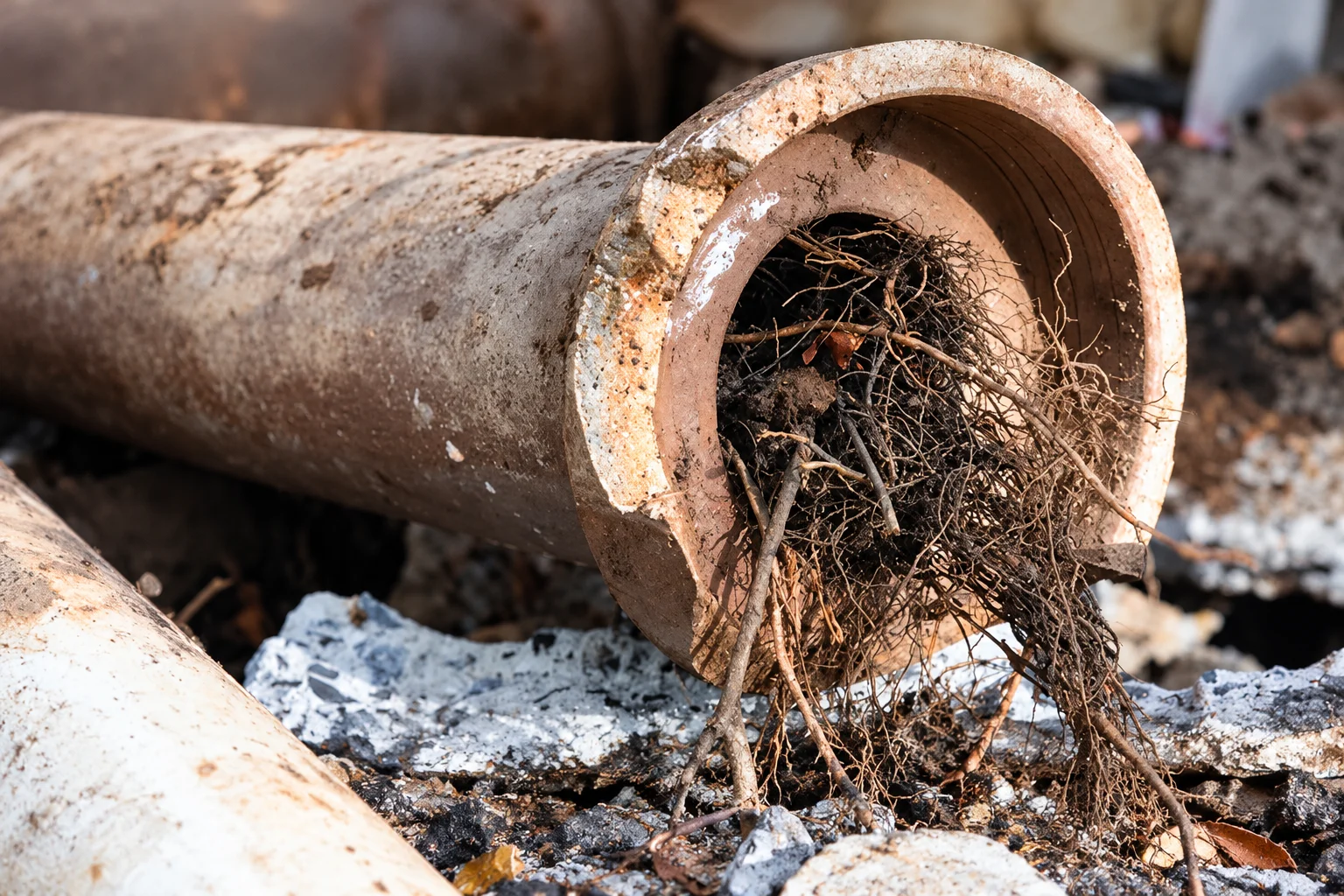
Your plumber might notice that there are bigger issues at play than just a blocked drain. Tree roots can enter damaged pipes and continue growing inside the line, while cracked or collapsed pipes can restrict stormwater flow.
Depending on the exact issue and extent of damage, as well as the type and age of your system, your plumber may recommend targeted pipe repairs, replacement or, where suitable, pipe relining. CCTV inspection and pipe-locating technology can help pinpoint the affected area and minimise unnecessary excavation.
Across Sydney, stormwater systems can vary between properties in age, layout and condition, so the right solution depends on what is actually causing the obstruction. An experienced blocked drain plumber in Sydney can assess the system and determine whether further inspection, jetting or repairs are needed.
How Can You Keep Stormwater Drains Clear?
Keeping your stormwater drains clear requires a multi-pronged approach which includes understanding where water and debris are coming from in the first place.
Your garden and landscaping play a role in keeping your stormwater drains free and clear; don’t let leaves and soil build up, so that one good storm dumps months’ worth of garden debris down the drain. Keep surface drainage paths clear and make sure water and garden debris aren’t being directed towards the house or stormwater grates unnecessarily. Your gutters and roof maintenance will also play a role in keeping your stormwater drains clear, so including regular checks on gutter build-up can reduce the amount of debris entering the stormwater system when heavy rain hits.
Make regular checks of all grates over your outdoor drains and check pits regularly, particularly after heavy rain, storms or periods of heavy leaf fall, so you can clear debris before it becomes a larger blockage.
