




Whether you’re installing a fence, landscaping, building or planning more substantial excavation, it’s important to check what may be underground before digging on your Sydney property. Buried electricity, water, gas and telecommunications services may not always be obvious from the surface.
What Underground Utilities Could Be Hidden Beneath Your Property?
Electricity and Power Cables
Sydney has an extensive network of underground electricity cables, and private underground services may also run across a property to garages, pools, sheds or other structures. Never assume the route or depth of a cable simply because there are no visible signs above ground.
Gas and Water Services
Water, sewer and gas infrastructure may run through or near private property, along with service lines connecting individual buildings to the wider network. Some domestic or privately installed services may not appear in detail on utility plans, so their exact location should not be assumed.
Telecommunications and Data Cables
Telecommunications and data services may also run underground from the street or network connection point to a property. Private conduits and older installations can be particularly difficult to identify without accurate records or on-site locating.
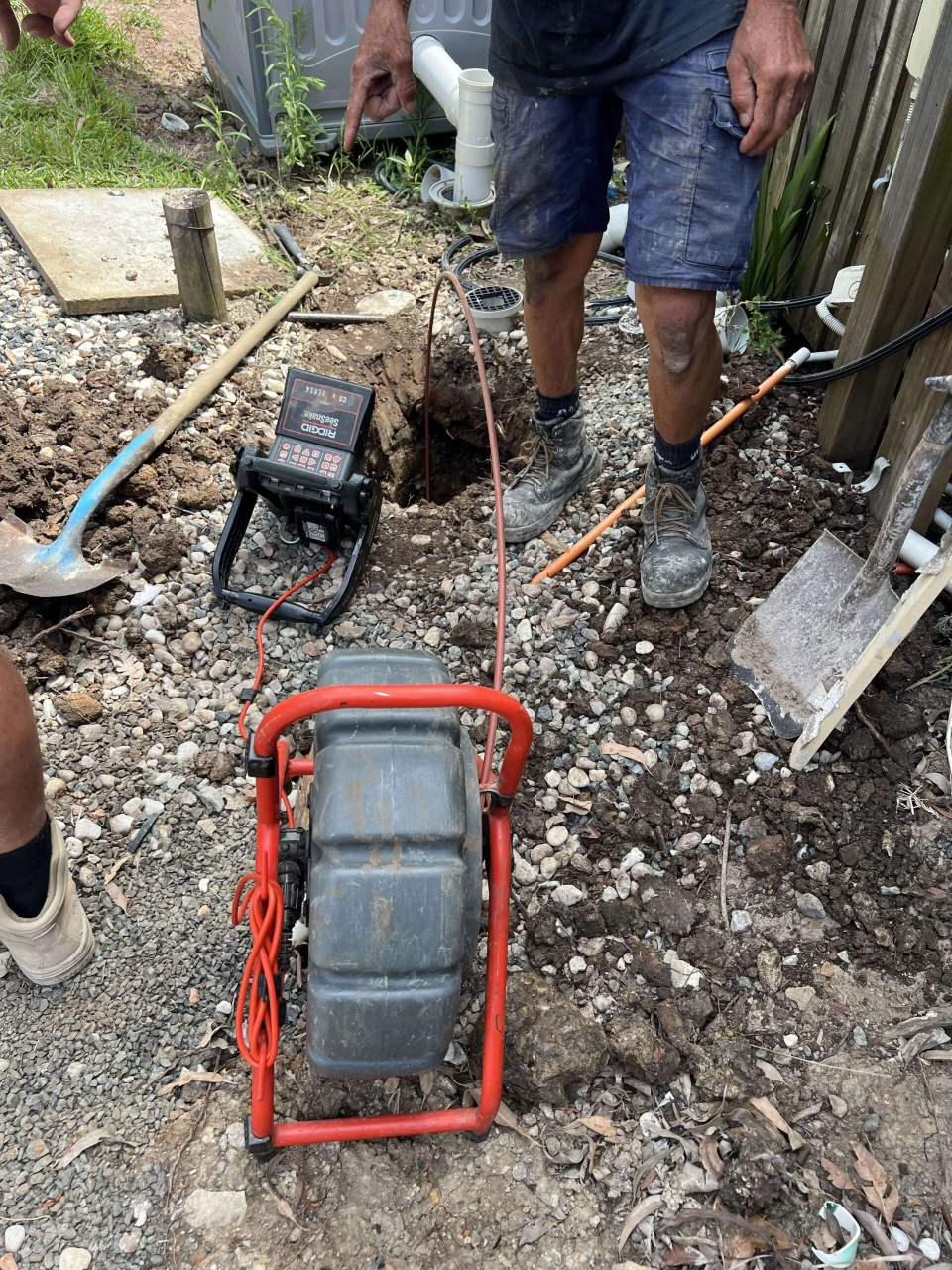
What Can Go Wrong If You Dig Without Locating Underground Services?
Safety Risks for Workers and Property Owners
Hitting live electrical cables can cause fatal electrocution, severe burns or electric shock. Rupturing gas lines creates an immediate risk of explosions or fires. There’s no good outcome from digging without knowing what’s underneath, and many potentially catastrophic ones.
Damage to Essential Services
Digging ‘blind’ on your property can have serious consequences, with the potential to disrupt power, water, gas, telecommunications or sewer services. If you damage underground infrastructure, the asset owner may also seek compensation for the damage caused.
Project Delays and Unexpected Repair Costs
Unplanned utility strikes can force work to stop immediately and may lead to safety investigations, repairs and contractor rescheduling.
When Should You Arrange Utility Locating Before Digging?
You should check for underground services before excavation or digging where buried infrastructure may be present. For example, if you’re:
- Installing fencing or retaining walls
- Landscaping and planting trees
- Excavating for pools or driveways
- Doing drainage and plumbing work
- Building or renovating
- Installing new underground services
How Are Underground Utilities Located?
Before You Dig Australia (BYDA) is an important first step. A Before You Dig Australia enquiry provides plans and information from participating asset owners showing the presence and approximate location of registered underground infrastructure. However, these plans are indicative and do not pinpoint the exact location of every service.
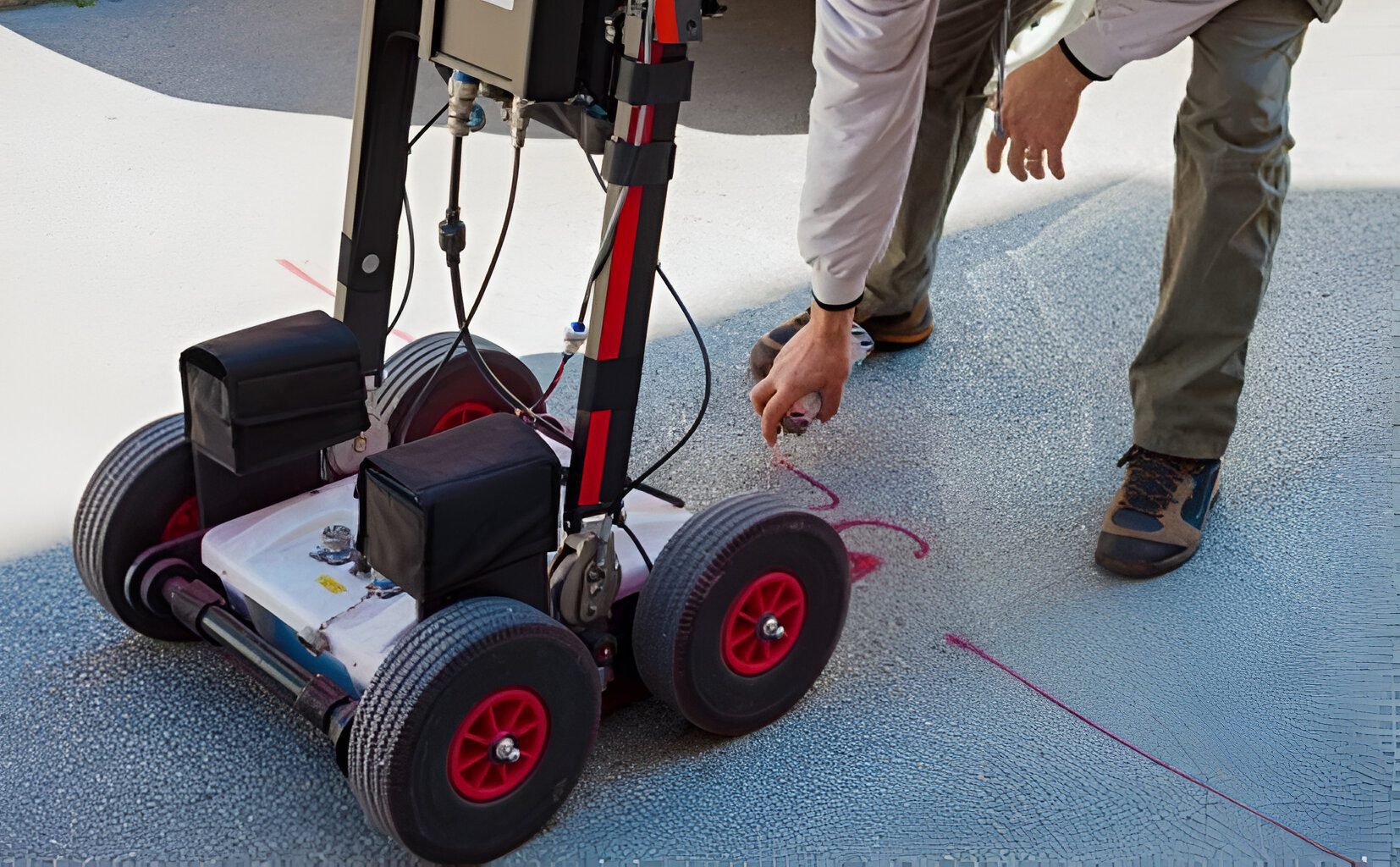
Utility locating services in Sydney can help identify and mark services on site, including infrastructure that may not be shown clearly on available plans. Locators may use a combination of technologies depending on the service and site conditions. Electromagnetic locating can be used to trace conductive or traceable services, while Ground Penetrating Radar (GPR) can assist with detecting non-metallic services and other subsurface features.
Why Doesn’t BYDA Show All Underground Services?
It’s really important to remember that while BYDA is a great starting point, you can’t assume it’s showing you everything that’s underground. BYDA advises that its plans generally indicate network infrastructure and may not show domestic or privately installed services in detail. Plans also show the approximate rather than exact location of assets.
On-site locating can help confirm what is present, while mud mapping and reporting can record identified service locations for use during construction or excavation.
What to Have Before Starting Excavation
Before any project begins requiring excavation, make sure you have the following:
- Clearly outline the proposed excavation area
- Identify known services
- Check available plans and records
- Arrange appropriate locating services
- Mark identified services clearly
- Make sure everyone working on the site understands the locations and has access to the relevant plans and locating information as work progresses
Knowing what lies beneath your property is an essential part of planning a safe project. SafeWork NSW advises checking for underground essential services before excavation begins, and BYDA should be used as the first step in obtaining available asset information. The potential costs and risks to human life are not worth digging without first understanding what may be below the site.
