




What Are the Warning Signs of a Failing Water Pump?
A water pump in a Sydney home or commercial property moves, pressurises or drains water to overcome low pressure, height differences in multi-storey buildings and stormwater challenges. If you’re hearing unusual noises, having repeated breakdowns, noticing leaks, poor performance or visible water build-up, don’t ignore what your pump is trying to tell you!
Why Do Pump Systems Fail in the First Place?
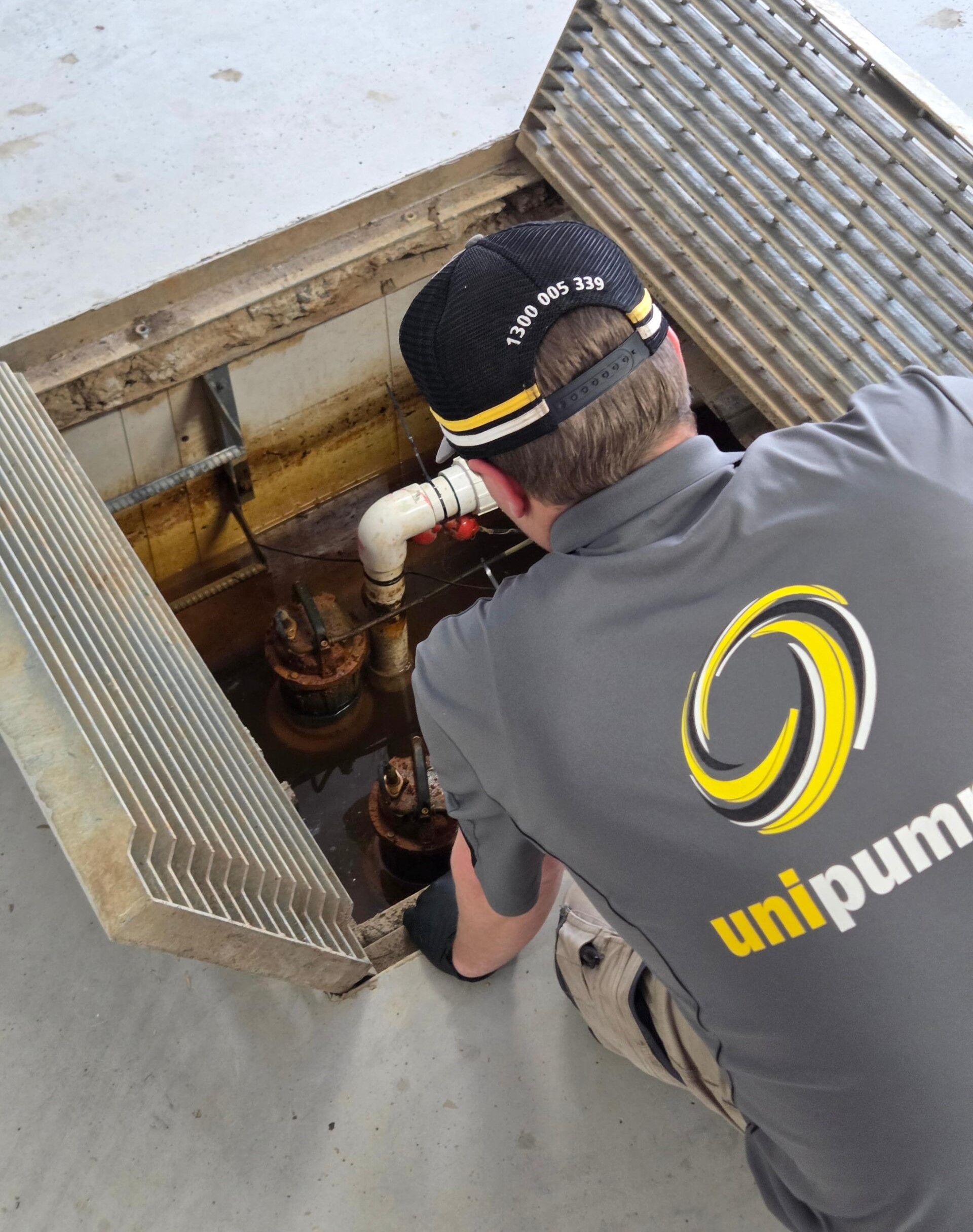
Debris and sediment building up in pump pits
Sydney is famous for its seaside location, leafy suburbs and nature reserves tucked right into the city. Leaves, sediment and other debris can build up in outdoor pump pits over time, causing pump failure or reduced pump efficiency.
Worn components, faulty float switches and electrical problems
Older Sydney properties can also have plumbing and electrical systems that have been in place for many years or have not been regularly maintained. Your pump needs maintenance too, so worn components and faulty float switches can lead to issues with your pump’s performance and cause pump failure.
A pump that cannot meet demand
When a pump cannot meet inflow demand, water levels can continue to rise because the pump is unable to remove water quickly enough. An undersized or failing pump may struggle to deal with stormwater, wastewater or other high-demand conditions, increasing the risk of overflow or flooding.
Can Pump Failure Lead to Flooding or Property Damage?
A pump system can be a property’s primary defence against water accumulation, so a system failure can quickly lead to flooding and water build-up. When pumps stop operating during heavy rain or high usage, water may have nowhere to go and can back up into low-lying areas like car parks, basements, stormwater pits and sewerage systems. This failure can quickly lead to widespread property damage from flooding or structural damage caused by water ingress.
Can Regular Pump Maintenance Prevent Unexpected Breakdowns?
A common reason pumps break down unexpectedly is a lack of regular maintenance. There are many components in a pump system that are vulnerable to wear and tear, especially float switches, valves and alarms. Regular check-ups can help identify small faults before they become expensive repairs or replacements. Pit cleaning and removing built-up debris is another important part of pump maintenance that can help your pump do its job effectively and reduce the risk of unexpected breakdowns.
Should You Call a Pump Specialist or a General Plumber?
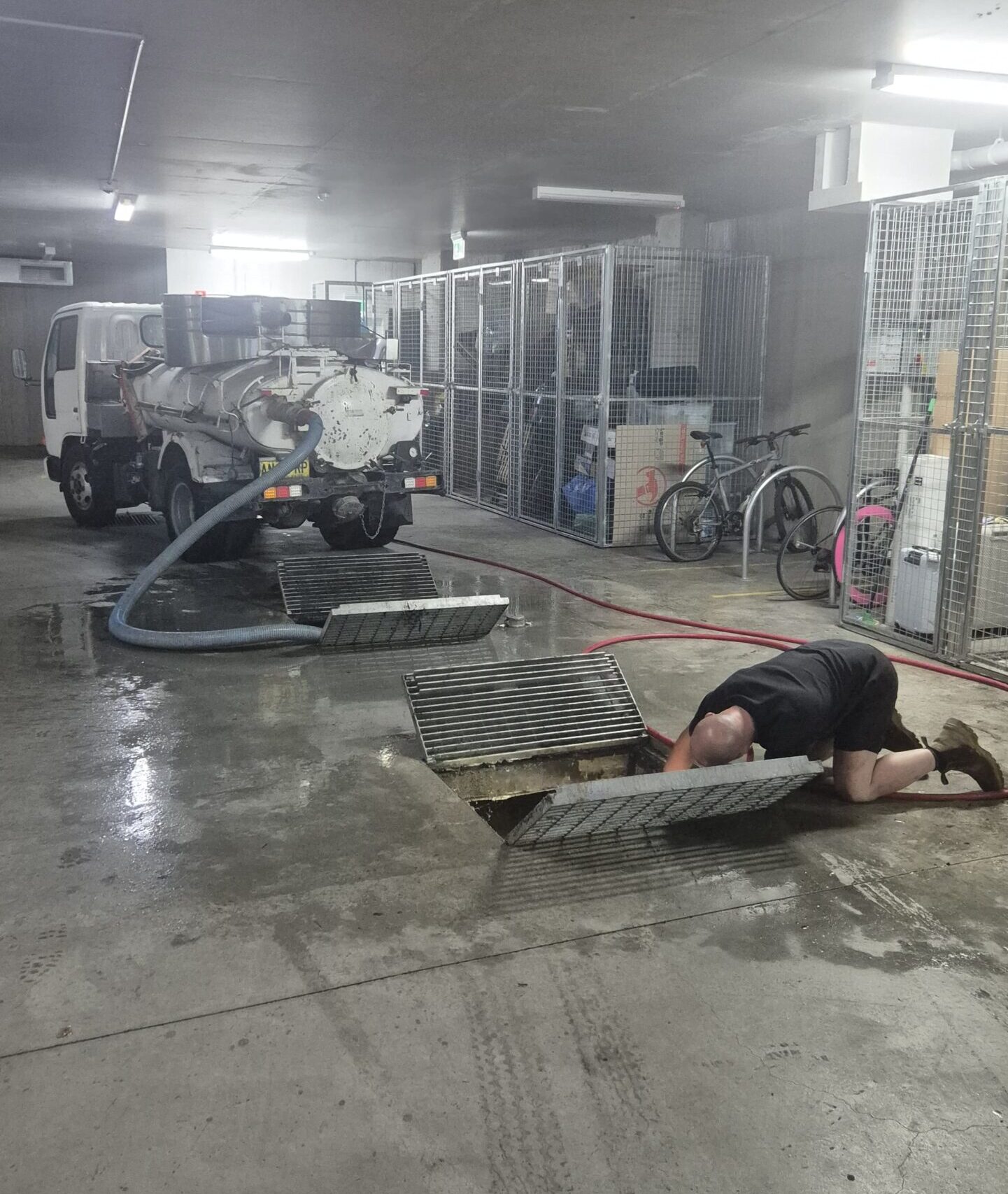
While many general plumbers will be able to help with a simple pump issue, more complex pump systems may require specialised pump services in Sydney.
A specialist will be better able to handle complex stormwater, sewer and commercial systems. When looking for a pump specialist, check for relevant experience and testimonials, their inspection procedures and how they manage reporting, the maintenance options they offer, and their knowledge of Sydney-specific pump issues.
What Should You Do If Your Pump Stops Working?
If your pump stops working, avoid opening the pump, control panel or electrical components yourself, particularly if the area is wet. If it is safe to do so, you can check for obvious external signs such as rising water, visible debris or a tripped circuit breaker. Do not repeatedly reset a breaker that continues to trip. SafeWork NSW advises that electrical work must not be carried out on energised electrical equipment.
If you see smoke, smell burning, experience repeated circuit trips, notice rapidly rising water or the pump is completely unresponsive, contact an emergency pump service. A breakdown can become particularly urgent when the pump protects a basement, car park, stormwater system or sewer system from rising water.
